Loading song
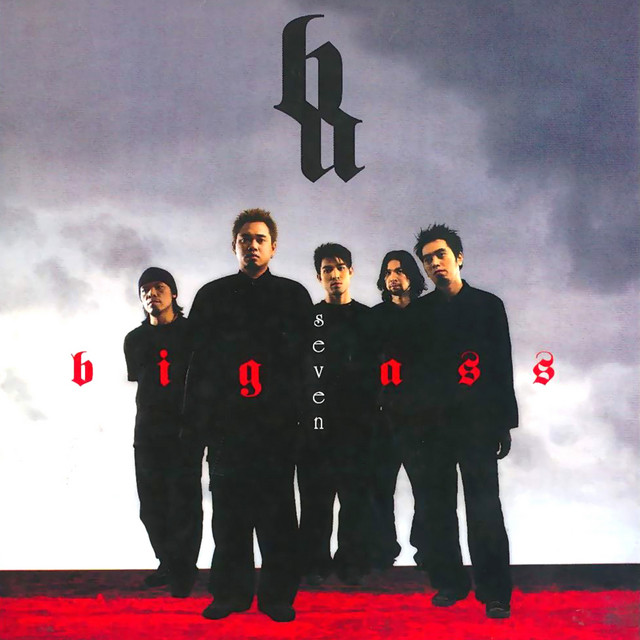
Song preview
Listen on


Quick Meaning
In 'ยักษ์ใหญ่ไล่ยักษ์เล็ก' ('Big Giant Chasing Small Giant'), Big Ass explores the dynamics of power and oppression, highlighting the struggles of the weak against the strong. The lyrics depict a character who feels powerless and trapped under the control of a more powerful figure.
- oppression
- frustration
- resignation
- powerlessness
Metadata
- Year
- 2004
- Album
- Seven
- Genre
- Rock
- Unique visits
- 1
- Generated at
- Nov 24, 2026
- Updated at
- Nov 24, 2026
Meaning
Main Meaning
itsMong interpretation
The song articulates a struggle against authority, where the protagonist acknowledges their own limitations ('ไอ้ฉันนั้นมีแค่มือ แต่เขานั้นมีอำนาจ' (I only have hands, but he has power.) - 'I only have hands, but he has power').
This contrast emphasizes the danger of opposing someone in a position of strength, leading to a sense of resignation and subjugation ('สุดท้ายต้องกลายเป็นยอม และฉันต้องกลายเป็นทาส' (In the end, I have to submit, and I become a slave.) - 'In the end, I have to yield and become a slave').
Title Analysis
The title 'ยักษ์ใหญ่ไล่ยักษ์เล็ก' translates to 'Big Giant Chasing Small Giant', symbolizing the struggle between the powerful and the powerless.
This theme resonates throughout the lyrics, particularly in the line 'ไอ้ฉันนั้นมีแค่มือ แต่เขานั้นมีอำนาจ' (I only have hands, but he has power.), which highlights the protagonist's feeling of helplessness against a dominating force.
Deeper Insight
The song presents a duality in its portrayal of power dynamics, where the powerful are depicted as both tyrannical and ultimately vulnerable to their own hubris.
This tension invites listeners to consider the broader implications of authority and the human cost of oppression.
Emotional Impact
Listeners may resonate with the feelings of frustration and helplessness expressed in the song, reflecting on their own experiences with powerlessness.
Song Takeaway
The song serves as a reminder of the importance of recognizing and valuing every individual's worth, regardless of their power or status.
Key Lines
"ไอ้ฉันนั้นมีแค่มือ แต่เขานั้นมีอำนาจ"
This line highlights the protagonist's feeling of inadequacy, contrasting their limited power with that of a more dominant figure.
"สุดท้ายต้องกลายเป็นยอม และฉันต้องกลายเป็นทาส"
Here, the protagonist expresses resignation to their fate, illustrating the theme of subjugation under a powerful oppressor.
"ยังคงต้องโดนรังแก ต้องทนอยู่กับนิสัยแย่แย่"
This line conveys the ongoing suffering and bullying faced by the weak, emphasizing the harsh realities of their situation.
"เหมือนคนโรคจิตที่ใครพูดไม่ฟัง"
The comparison to a psychotic person who doesn't listen underscores the irrationality and danger of those in power who disregard others' voices.
"ไม่กลัวจะพังใช่ไหม ไม่แคร์คนอื่นใช่ไหม"
This rhetorical question challenges the powerful figure's lack of concern for the consequences of their actions on others.
"สักวันหนึ่งเหอะไอ้พวกบ้าพลัง ระวังจะเสียใจ"
A warning to the powerful, suggesting that their unchecked aggression will eventually lead to regret.
"มีใครอยากโดนรังแก มีใครอยากเจอนิสัยแย่แย่"
This line questions the desire for oppression, inviting listeners to reflect on the universal wish to avoid being bullied.
"แค่ขอให้มองดีดี ชีวิตของคนมีค่า"
The plea for recognition of human value emphasizes the importance of empathy and understanding in society.
Explore a question
What does the title add?
The title 'ยักษ์ใหญ่ไล่ยักษ์เล็ก' translates to 'Big Giant Chasing Small Giant', symbolizing the struggle between the powerful and the powerless. This theme resonates throughout the lyrics, particularly in the line 'ไอ้ฉันนั้นมีแค่มือ แต่เขานั้นมีอำนาจ' (I only have hands, but he has power.), which highlights the protagonist's feeling of helplessness against a dominating force.
What does this key detail suggest?
ไอ้ฉันนั้นมีแค่มือ แต่เขานั้นมีอำนาจ
This line highlights the protagonist's feeling of inadequacy, contrasting their limited power with that of a more dominant figure.
What deeper tension appears?
The song presents a duality in its portrayal of power dynamics, where the powerful are depicted as both tyrannical and ultimately vulnerable to their own hubris. This tension invites listeners to consider the broader implications of authority and the human cost of oppression.
Song insights
Emotion Profile
A reading of the song's emotional signals, derived from its saved interpretation.
Emotional intensityHigh
Strong expressions of frustration and anger.
VulnerabilityHigh
Acknowledgment of powerlessness and suffering.
PrideLow
Limited self-regard in the face of oppression.
Emotional dependencyModerate
Reliance on others for validation and support.
Levels describe how strongly a signal appears in this reading of the song; they do not measure the listener.
Mong DNA
Recurring themes and motifs identified in the saved interpretation.
What is Mong DNA?Loading...
Loading...
Comments & reviews
What moved you? Share your take on the lyrics, the sound or a moment this song reminds you of.
Sign in to comment.
Start the conversation. What would you tell someone hearing this song for the first time?
Rate this song
Lyrics
Optional — choose one to five stars.
Instrumental
Optional — choose one to five stars.
Emotional impact
Optional — choose one to five stars.
Overall
Optional — choose one to five stars.
Community rating