Loading song
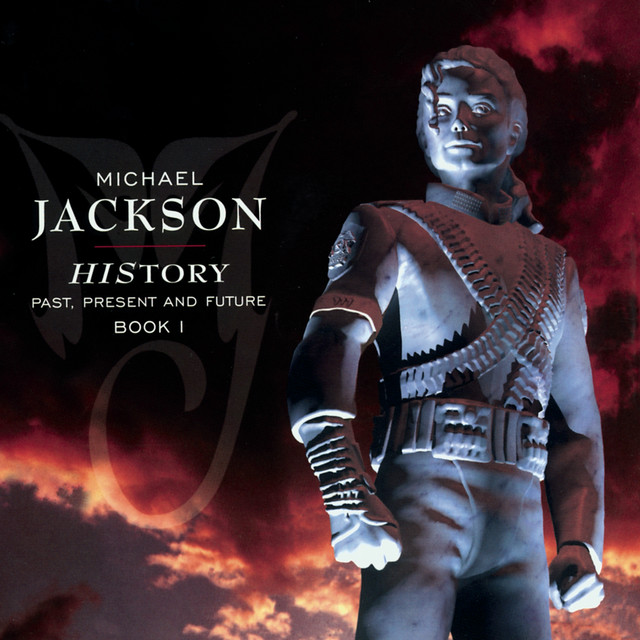
Song preview
Listen on


Quick Meaning
In Michael Jackson's powerful song "They Don't Care About Us," the artist addresses systemic injustice and social neglect, highlighting the struggles faced by marginalized communities. The lyrics convey a sense of urgency and frustration over societal indifference to issues like police brutality and racial discrimination.
- frustration
- anger
- defiance
- urgency
Metadata
- Year
- 1995
- Album
- HIStory Continues
- Genre
- Pop
- Unique visits
- 98
- Generated at
- May 05, 2026
- Updated at
- Oct 03, 2026
Meaning
Main Meaning
itsMong interpretation
The lyrics of "They Don't Care About Us" reflect a deep frustration with societal neglect and systemic injustice, as Michael Jackson repeatedly asserts that 'they don't really care about us.'
This refrain underscores the disconnect between those in power and the marginalized, as he highlights personal experiences of police brutality and societal indifference.
The stark imagery of violence and discrimination serves to amplify the urgency of his message, revealing a world where the struggles of the oppressed are often ignored.
Title Analysis
The title "They Don't Care About Us" directly encapsulates the song's central theme of neglect and indifference towards marginalized communities.
The repeated lyric, 'All I wanna say is that they don't really care about us,' emphasizes the pain of feeling unseen and unheard in a society that perpetuates injustice.
Deeper Insight
The song's repeated refrain and stark imagery create a powerful critique of systemic injustice, suggesting a possible double meaning where the personal becomes political.
The juxtaposition of personal pain with broader societal issues invites listeners to reflect on their own experiences of neglect and discrimination.
Emotional Impact
Listeners may feel a profound sense of anger and urgency in response to the injustices highlighted in the song, resonating with their own experiences of societal neglect.
Song Takeaway
The song serves as a reminder of the importance of speaking out against injustice and the need for societal change.
Key Lines
"Skin head, dead head"
These phrases evoke images of violence and societal decay, setting a grim tone for the song.
"Everybody gone bad"
This line suggests a pervasive moral decline, reflecting the artist's view of societal issues.
"All I wanna say is that They don't really care about us"
The repetition of this line emphasizes the central theme of neglect and indifference from those in power.
"Beat me, hate me"
These words convey the physical and emotional abuse faced by marginalized individuals, highlighting their suffering.
"I'm tired of being the victim of hate"
This line expresses exhaustion from ongoing discrimination, resonating with listeners who share similar experiences.
"Tell me what has become of my rights"
This rhetorical question underscores the erosion of civil rights and the feeling of invisibility in society.
"The government don't wanna see"
This line critiques governmental neglect of social issues, suggesting a deliberate blindness to injustice.
"If Martin Luther was living, he wouldn't let this be"
Referencing Martin Luther King Jr. connects the song's message to the civil rights movement, emphasizing the ongoing struggle.
"Kick me, kike me"
This line uses provocative language to highlight the discrimination faced by Jewish individuals, illustrating the broader theme of hate.
"You're raping me of my pride oh, for God's sake"
This powerful imagery conveys a deep sense of violation and loss of dignity, resonating with listeners' feelings of oppression.
"I can't believe this is the land from which I came"
This line reflects disillusionment with one's homeland, questioning the values and freedoms that are supposed to be upheld.
Explore a question
What does the title add?
The title "They Don't Care About Us" directly encapsulates the song's central theme of neglect and indifference towards marginalized communities. The repeated lyric, 'All I wanna say is that they don't really care about us,' emphasizes the pain of feeling unseen and unheard in a society that perpetuates injustice.
What does this key detail suggest?
Skin head, dead head
These phrases evoke images of violence and societal decay, setting a grim tone for the song.
What deeper tension appears?
The song's repeated refrain and stark imagery create a powerful critique of systemic injustice, suggesting a possible double meaning where the personal becomes political. The juxtaposition of personal pain with broader societal issues invites listeners to reflect on their own experiences of neglect and discrimination.
Public Perception
The song has been both celebrated for its bold message and criticized for its controversial lyrics, reflecting the complexities of Jackson's artistic expression.
Song insights
Emotion Profile
A reading of the song's emotional signals, derived from its saved interpretation.
Emotional intensityVery high
The urgent tone of the lyrics conveys strong feelings.
VulnerabilityHigh
Expressions of personal pain reveal deep emotional exposure.
PrideHigh
The artist's defiance against oppression reflects a sense of pride.
Emotional dependencyModerate
The reliance on societal recognition for dignity is evident.
Levels describe how strongly a signal appears in this reading of the song; they do not measure the listener.
Mong DNA
Recurring themes and motifs identified in the saved interpretation.
What is Mong DNA?Loading...
Loading...
Explore more music
Michael Jackson · Artist profile and albums
Comments & reviews
What moved you? Share your take on the lyrics, the sound or a moment this song reminds you of.
Sign in to comment.
Start the conversation. What would you tell someone hearing this song for the first time?
Rate this song
Lyrics
Optional — choose one to five stars.
Instrumental
Optional — choose one to five stars.
Emotional impact
Optional — choose one to five stars.
Overall
Optional — choose one to five stars.
Community rating