Loading song
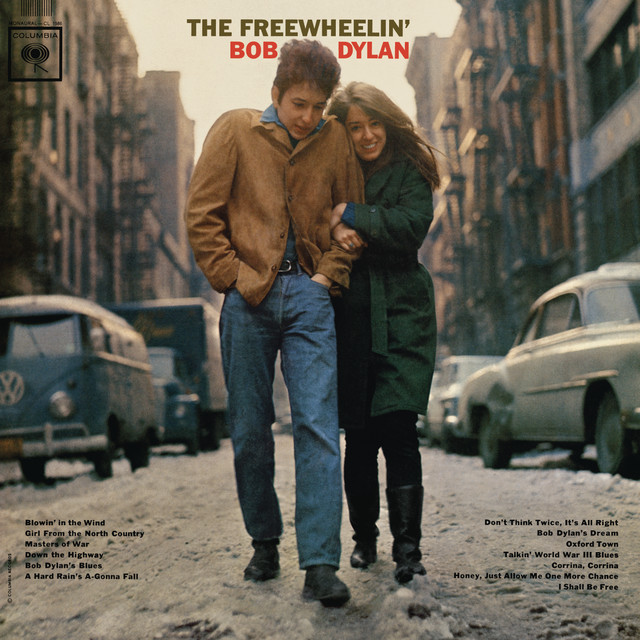
Song preview
Listen on


Quick Meaning
Bob Dylan's "Blowin' in the Wind" poses a series of profound rhetorical questions about human existence and social justice, reflecting the struggles for peace and freedom. The song's imagery evokes a sense of longing for answers that seem elusive, captured in the refrain that the answers are 'blowin' in the wind. '
- hope
- longing
- reflection
- protest
Metadata
- Year
- 1963
- Album
- The Essential Bob Dylan (Revised Edition)
- Genre
- Rock
- Unique visits
- 185
- Generated at
- May 05, 2026
- Updated at
- Oct 16, 2026
Meaning
Main Meaning
itsMong interpretation
In "Blowin' in the Wind," Bob Dylan poses a series of existential questions that challenge the listener to reflect on the nature of humanity and the quest for freedom.
The repeated inquiry about how many roads a man must walk before being recognized as a man highlights the struggle for identity and dignity, while the line about how many deaths it will take before awareness is achieved underscores the urgency of social justice.
The refrain, 'The answer is blowin' in the wind,' suggests that the solutions to these profound issues are elusive and perhaps already known but ignored.
Title Analysis
The title "Blowin' in the Wind" suggests something intangible and elusive, reflecting the song's theme of unanswered questions.
The phrase encapsulates the idea that the answers to life's profound dilemmas are present yet ungrasped, as seen in the lyric, 'The answer, my friend, is blowin' in the wind.'
This reinforces the notion of searching for truth in a world filled with uncertainty.
Deeper Insight
The song's rhetorical questions create a sense of urgency and frustration regarding social justice issues.
The refrain implies that while the answers may be clear, societal apathy prevents action, leaving listeners to grapple with their own responsibilities.
Emotional Impact
Listeners may feel a profound sense of urgency and reflection, prompted by the song's exploration of existential questions and social justice.
Song Takeaway
The song encourages listeners to confront uncomfortable truths and take action against injustice, emphasizing the importance of awareness and responsibility.
Key Lines
"How many roads must a man walk down"
This line introduces the theme of identity and the journey of life, questioning what it takes to be recognized as a man.
"How many seas must a white dove sail"
The white dove symbolizes peace, and this line reflects the quest for tranquility in a tumultuous world.
"Yes, and how many times must the cannonballs fly"
This imagery evokes the violence of war, questioning how many conflicts must occur before peace is achieved.
"Yes, and how many years can a mountain exist"
The mountain represents permanence, contrasting with the fleeting nature of human existence and freedom.
"Yes, and how many years can some people exist"
This line addresses the struggle for freedom, highlighting the injustice of oppression and the longing for liberation.
"Yes, and how many times can a man turn his head"
This suggests willful ignorance, questioning the moral responsibility to confront social issues.
Explore a question
What does the title add?
The title "Blowin' in the Wind" suggests something intangible and elusive, reflecting the song's theme of unanswered questions. The phrase encapsulates the idea that the answers to life's profound dilemmas are present yet ungrasped, as seen in the lyric, 'The answer, my friend, is blowin' in the wind.' This reinforces the notion of searching for truth in a world filled with uncertainty.
What does this key detail suggest?
How many roads must a man walk down
This line introduces the theme of identity and the journey of life, questioning what it takes to be recognized as a man.
What deeper tension appears?
The song's rhetorical questions create a sense of urgency and frustration regarding social justice issues. The refrain implies that while the answers may be clear, societal apathy prevents action, leaving listeners to grapple with their own responsibilities.
Public Perception
The song is widely regarded as a timeless anthem for peace and social justice, resonating with audiences across generations.
Song insights
Emotion Profile
A reading of the song's emotional signals, derived from its saved interpretation.
Emotional intensityHigh
Strong rhetorical questions evoke urgency.
VulnerabilityHigh
Questions reflect societal struggles and personal responsibility.
PrideModerate
Dylan's legacy as a protest singer enhances the song's impact.
Emotional dependencyModerate
Listeners may feel a need for change and awareness.
Levels describe how strongly a signal appears in this reading of the song; they do not measure the listener.
Mong DNA
Recurring themes and motifs identified in the saved interpretation.
What is Mong DNA?Loading...
Loading...
Explore more music
Bob Dylan · Artist profile and albums
Comments & reviews
What moved you? Share your take on the lyrics, the sound or a moment this song reminds you of.
Sign in to comment.
Start the conversation. What would you tell someone hearing this song for the first time?
Rate this song
Lyrics
Optional — choose one to five stars.
Instrumental
Optional — choose one to five stars.
Emotional impact
Optional — choose one to five stars.
Overall
Optional — choose one to five stars.
Community rating