Loading song
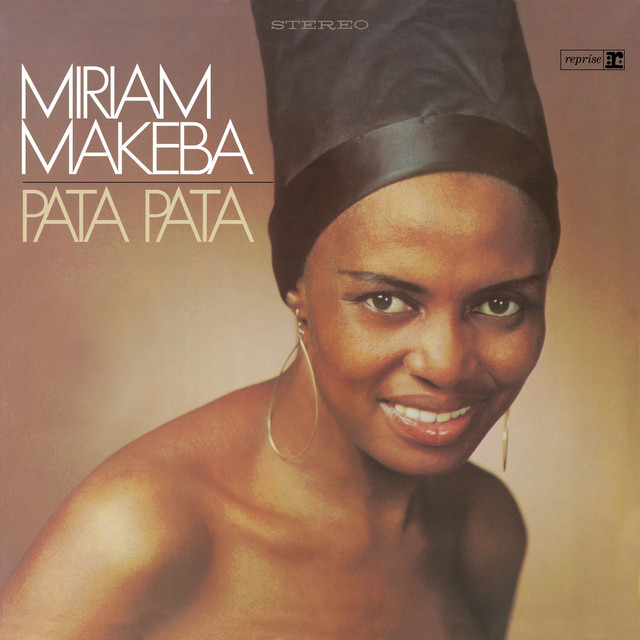
Song preview
Listen on


Quick Meaning
Miriam Makeba's song "Pata Pata" celebrates a lively dance originating from Johannesburg, capturing the vibrant spirit of social gatherings in South Africa. The lyrics invite listeners to join in the rhythm and movement, emphasizing the communal joy of dance.
- joy
- celebration
- community
- nostalgia
Metadata
- Year
- 1967
- Album
- Project Hail Mary (Original Motion Picture Soundtrack)
- Genre
- Soundtrack
- Unique visits
- 16
- Generated at
- May 21, 2026
- Updated at
- Oct 17, 2026
Meaning
Main Meaning
itsMong interpretation
In "Pata Pata," Miriam Makeba captures the essence of a vibrant dance culture in Johannesburg, where the phrase 'Pata Pata' signifies both the dance and the communal joy it brings.
The repeated lyric 'Saguquka sathi bheka' emphasizes the call to action, inviting everyone to join in the movement, while the mention of dancing every Friday and Saturday night highlights the regularity and importance of these social gatherings.
Title Analysis
The title 'Pata Pata' refers to a lively dance from Johannesburg, embodying the joy and community spirit that the song celebrates.
This is reflected in the lyric 'Pata pata is the name of a dance we do down Johannesburg way,' which invites listeners to partake in the rhythm and movement.
Deeper Insight
The song's repeated calls to dance reflect a deeper cultural significance, as the Pata Pata dance symbolizes community and resilience.
The joyous atmosphere created by the music contrasts with the historical context of South Africa, where such gatherings served as a form of resistance and celebration of identity.
Emotional Impact
Listeners may feel a sense of joy and nostalgia, as the song evokes memories of communal celebrations and the power of music to bring people together.
Song Takeaway
The song illustrates the importance of community and celebration, reminding listeners of the joy found in shared experiences.
Key Lines
"Pata pata is the name of a dance we do down Johannesburg way"
This line introduces the dance, grounding the song in a specific cultural context.
"And everybody starts to move as soon as pata pata begins to play"
This highlights the infectious nature of the music and dance, suggesting a communal experience.
"Woo, every Friday and Saturday nights"
This indicates the regularity of social gatherings centered around the dance, emphasizing its importance in community life.
"It's Pata Pata time"
This phrase acts as a rallying call, inviting listeners to engage with the dance and music.
"The dance keeps going all night long"
This suggests a sense of joy and celebration that extends into the night, reinforcing the communal aspect.
"Til the morning sun begins to shine"
This imagery evokes a sense of continuity and the enduring nature of the celebration.
"Saguquka sathi bheka"
This repeated phrase serves as a rhythmic anchor, inviting participation and movement.
"Yiyo mama, yiyo mama"
This phrase adds a playful and affectionate tone, enhancing the song's celebratory spirit.
"Oh, saguquka sathi, hit it"
This line encourages action, reinforcing the interactive nature of the dance.
"Hayi ke saguquka sathi bheka"
This line continues the call to dance, emphasizing the joy and energy of the moment.
Explore a question
What does the title add?
The title 'Pata Pata' refers to a lively dance from Johannesburg, embodying the joy and community spirit that the song celebrates. This is reflected in the lyric 'Pata pata is the name of a dance we do down Johannesburg way,' which invites listeners to partake in the rhythm and movement.
What does this key detail suggest?
Pata pata is the name of a dance we do down Johannesburg way
This line introduces the dance, grounding the song in a specific cultural context.
What deeper tension appears?
The song's repeated calls to dance reflect a deeper cultural significance, as the Pata Pata dance symbolizes community and resilience. The joyous atmosphere created by the music contrasts with the historical context of South Africa, where such gatherings served as a form of resistance and celebration of identity.
Public Perception
Listeners often regard "Pata Pata" as a timeless anthem of joy and cultural pride, celebrating the spirit of South African music.
Song insights
Emotion Profile
A reading of the song's emotional signals, derived from its saved interpretation.
Emotional intensityHigh
The infectious rhythm invites energetic participation.
VulnerabilityLow
The song reflects a longing for community connection.
PrideHigh
Celebrates cultural identity and heritage.
Emotional dependencyLow
Relies on communal joy for fulfillment.
Levels describe how strongly a signal appears in this reading of the song; they do not measure the listener.
Mong DNA
Recurring themes and motifs identified in the saved interpretation.
What is Mong DNA?Loading...
Loading...
Comments & reviews
What moved you? Share your take on the lyrics, the sound or a moment this song reminds you of.
Sign in to comment.
Start the conversation. What would you tell someone hearing this song for the first time?
Rate this song
Lyrics
Optional — choose one to five stars.
Instrumental
Optional — choose one to five stars.
Emotional impact
Optional — choose one to five stars.
Overall
Optional — choose one to five stars.
Community rating