Loading song
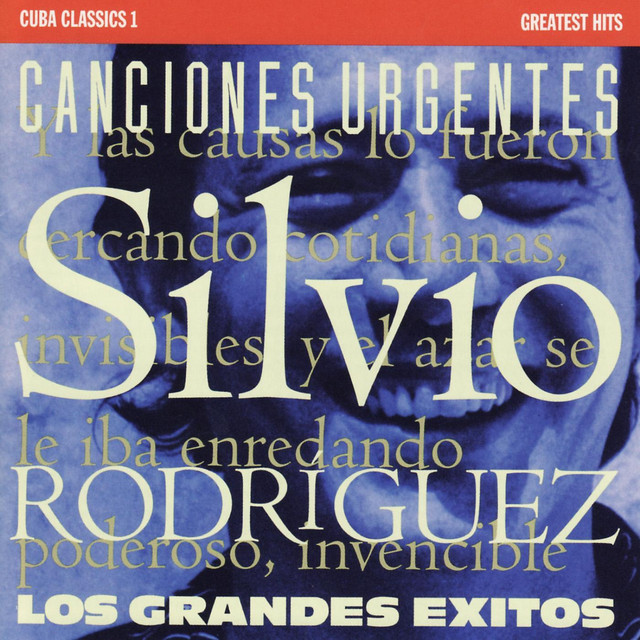
Song preview
Listen on


Quick Meaning
In 'Playa Girón,' Silvio Rodríguez reflects on the duality of a fishing boat and the historical conflict of the Bay of Pigs invasion. The song intertwines poetic inquiry with a call for authenticity in storytelling, addressing the complexities of truth and memory.
- reflection
- historical
- urgent
- introspective
Metadata
- Year
- 1975
- Album
- Canciones Urgentes
- Genre
- Latin
- Unique visits
- 4
- Generated at
- Nov 06, 2026
- Updated at
- Nov 06, 2026
Meaning
Main Meaning
itsMong interpretation
Silvio Rodríguez's 'Playa Girón' intricately weaves together the imagery of a fishing boat and the historical narrative of the Bay of Pigs invasion. The lyric '¿Qué tipo de adjetivos se deben usar para hacer el poema de un barco?'
questions the language used to describe such a vessel, suggesting a desire for authenticity beyond sentimentality.
This inquiry reflects a broader struggle with how to convey the truth of historical events, as seen in the line 'Que escriban, pues, la historia, su historia,' which emphasizes the need for individuals to narrate their own experiences.
Title Analysis
The title 'Playa Girón' refers to both a fishing boat and the site of a significant historical conflict in Cuba.
The phrase evokes a sense of place and memory, as seen in the lyric 'Flota Cubana de Pesca y Playa Girón,' linking the boat to the broader narrative of struggle and identity.
Deeper Insight
The song's exploration of language and truth reveals a tension between artistic expression and historical accuracy.
Rodríguez's inquiries suggest a struggle to balance personal and collective narratives, reflecting the complexities of memory in the context of political conflict.
Emotional Impact
Listeners may feel a profound connection to the themes of truth and memory, grappling with the weight of history.
Song Takeaway
The song encourages listeners to confront their own histories and the truths they hold.
Key Lines
"¿Qué tipo de adjetivos se deben usar para hacer el poema de un barco?"
Translation-
InterpretationThis line questions the appropriateness of language when depicting the boat, indicating a desire for depth and authenticity.
"Fuera de la vanguardia o evidente panfleto"
Translation"Outside of the avant-garde or obvious pamphlet"
InterpretationHere, Rodríguez critiques superficial or propagandistic expressions, seeking a more profound artistic approach.
"Hombres negros y rojos Y azules, los hombres que pueblan el Playa Girón"
Translation"Black and red men And blue, the men who populate the Playa Girón"
InterpretationThis imagery highlights the diversity of the crew aboard the boat, emphasizing the human element in the narrative.
"¿Hasta dónde debemos practicar las verdades?"
Translation"How far should we practice the truths?"
InterpretationThis rhetorical question probes the limits of truth-telling, reflecting on the complexities of historical narratives.
"Que escriban, pues, la historia, su historia"
Translation"Let them write, then, the history, their history"
InterpretationThis line calls for individuals to document their own histories, reinforcing the theme of personal narrative.
"Compañeros de historia Tomando en cuenta lo implacable que debe ser la verdad"
Translation"Fellow historians Considering how relentless the truth must be"
InterpretationRodríguez emphasizes the importance of truth in historical accounts, suggesting a moral obligation to confront reality.
"Si alguien roba comida y después da la vida, ¿qué hacer?"
Translation"If someone steals food and then gives their life, what to do?"
InterpretationThis line presents a moral dilemma, questioning the ethics of survival in the face of hardship.
"Me urge tanto"
Translation"I'm in such a hurry"
InterpretationThe repetition of urgency throughout the song underscores the pressing nature of these inquiries into truth and history.
Explore a question
What does the title add?
The title 'Playa Girón' refers to both a fishing boat and the site of a significant historical conflict in Cuba. The phrase evokes a sense of place and memory, as seen in the lyric 'Flota Cubana de Pesca y Playa Girón,' linking the boat to the broader narrative of struggle and identity.
What does this key detail suggest?
¿Qué tipo de adjetivos se deben usar para hacer el poema de un barco?
This line questions the appropriateness of language when depicting the boat, indicating a desire for depth and authenticity.
What deeper tension appears?
The song's exploration of language and truth reveals a tension between artistic expression and historical accuracy. Rodríguez's inquiries suggest a struggle to balance personal and collective narratives, reflecting the complexities of memory in the context of political conflict.
Public Perception
Critics and audiences recognize Rodríguez's work as a poignant reflection on Cuban identity and history.
Song insights
Emotion Profile
A reading of the song's emotional signals, derived from its saved interpretation.
Emotional intensityHigh
The urgency in questioning truth is palpable.
VulnerabilityHigh
The exploration of personal history reveals deep introspection.
PrideModerate
Rodríguez's pride in cultural identity is evident.
Emotional dependencyModerate
The need for truth suggests reliance on collective memory.
Levels describe how strongly a signal appears in this reading of the song; they do not measure the listener.
Mong DNA
Recurring themes and motifs identified in the saved interpretation.
Archetypes
Meaning worlds
Loading...
Loading...
Comments & reviews
What moved you? Share your take on the lyrics, the sound or a moment this song reminds you of.
Sign in to comment.
Start the conversation. What would you tell someone hearing this song for the first time?
Rate this song
Lyrics
Optional — choose one to five stars.
Instrumental
Optional — choose one to five stars.
Emotional impact
Optional — choose one to five stars.
Overall
Optional — choose one to five stars.
Community rating