Loading song
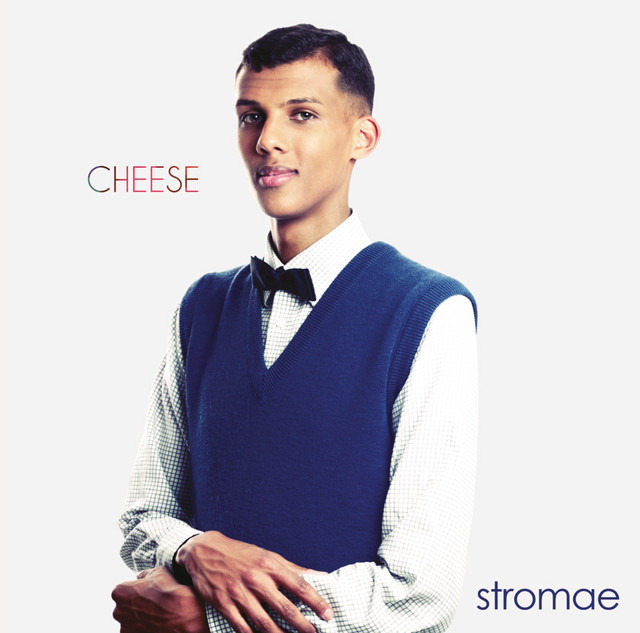
Song preview
Listen on


Quick Meaning
In 'Alors on danse,' Belgian artist Stromae explores the cyclical nature of life's struggles and the fleeting escape found in dance. The song juxtaposes the weight of societal pressures with the liberating act of dancing, creating a poignant commentary on coping mechanisms.
- joyful
- energetic
- uplifting
- resilience
Metadata
- Year
- 2009
- Album
- Workout Mix 2021
- Genre
- Dance
- Unique visits
- 59
- Generated at
- May 05, 2026
- Updated at
- Oct 15, 2026
Meaning
Main Meaning
itsMong interpretation
Stromae's 'Alors on danse' intricately weaves together the burdens of modern life with the liberating power of music and dance.
The lyrics highlight the relentless cycle of work, financial struggles, and personal relationships, stating, 'Qui dit amour dit les gosses' (Who says love says kids), which underscores the weight of responsibility.
Yet, despite these challenges, the recurring phrase 'Alors on danse' (So we dance) serves as a mantra for resilience, suggesting that dance becomes a necessary escape from life's hardships.
Title Analysis
The title 'Alors on danse' translates to 'So we dance,' encapsulating the idea of finding solace and escape through dance amidst life's challenges.
This is reflected in the lyric 'Alors on danse,' which reinforces the theme of using dance as a coping mechanism against societal pressures.
Deeper Insight
The song presents a duality where the act of dancing serves as both a temporary escape and a reflection of deeper societal issues.
The contrast between the joyous act of dancing and the weight of life's problems creates a poignant tension, suggesting that while one can dance to forget, the underlying issues remain unresolved.
Emotional Impact
Listeners may feel a mix of exhilaration and melancholy, recognizing the need to celebrate life despite its challenges.
Song Takeaway
The song teaches that while life is filled with challenges, finding moments of joy through music and dance can provide necessary relief.
Key Lines
"Qui dit étude dit travail"
Translation"Who says study says work."
InterpretationThis line translates to 'Who says study says work,' highlighting the pressure of academic and professional expectations.
"Qui dit amour dit les gosses"
Translation"Who says love says kids."
InterpretationThis translates to 'Who says love says kids,' indicating the responsibilities that come with relationships.
"Alors on sort pour oublier tous les problèmes"
Translation"So we go out to forget all the problems."
InterpretationThis means 'So we go out to forget all the problems,' suggesting that socializing is a way to escape life's difficulties.
"Quand tu crois enfin que tu t'en sors"
Translation"When you finally think you're getting by"
InterpretationThis translates to 'When you finally think you're getting out,' reflecting the fleeting nature of relief from struggles.
"Est-ce la zik ou les problèmes?"
Translation"Is it the music or the problems?"
InterpretationThis line means 'Is it the music or the problems?' questioning whether music is a distraction from life's issues.
"Alors tu cries encore plus fort"
Translation-
InterpretationThis translates to 'So you scream even louder,' indicating a desperate need to be heard amidst chaos.
"Et là tu te dis que c'est fini"
Translation"And there you tell yourself that it's over."
InterpretationThis means 'And then you tell yourself it's over,' suggesting a moment of resignation.
"Alors on chante"
Translation"So we sing"
InterpretationThis translates to 'So we sing,' reinforcing the theme of using music as a form of expression and escape.
"Et puis seulement quand c'est fini"
Translation"And only then when it's over"
InterpretationThis means 'And only when it's over,' implying that the release comes only after the struggle.
"Et ben y en a encore"
Translation"Well, there are still some."
InterpretationThis translates to 'And there is still more,' emphasizing the ongoing nature of life's challenges.
Explore a question
What does the title add?
The title 'Alors on danse' translates to 'So we dance,' encapsulating the idea of finding solace and escape through dance amidst life's challenges. This is reflected in the lyric 'Alors on danse,' which reinforces the theme of using dance as a coping mechanism against societal pressures.
What does this key detail suggest?
Qui dit étude dit travail
This line translates to 'Who says study says work,' highlighting the pressure of academic and professional expectations.
What deeper tension appears?
The song presents a duality where the act of dancing serves as both a temporary escape and a reflection of deeper societal issues. The contrast between the joyous act of dancing and the weight of life's problems creates a poignant tension, suggesting that while one can dance to forget, the underlying issues remain unresolved.
Public Perception
The song was widely praised for its catchy rhythm and relatable lyrics, resonating with audiences across Europe.
Song insights
Emotion Profile
A reading of the song's emotional signals, derived from its saved interpretation.
Emotional intensityHigh
The urgency in the repeated calls to dance.
VulnerabilityModerate
Acknowledgment of life's burdens.
PrideModerate
A sense of defiance in celebrating despite struggles.
Emotional dependencyModerate
Reliance on music for emotional release.
Levels describe how strongly a signal appears in this reading of the song; they do not measure the listener.
Mong DNA
Recurring themes and motifs identified in the saved interpretation.
Themes
Loading...
Loading...
Comments & reviews
What moved you? Share your take on the lyrics, the sound or a moment this song reminds you of.
Sign in to comment.
Start the conversation. What would you tell someone hearing this song for the first time?
Rate this song
Lyrics
Optional — choose one to five stars.
Instrumental
Optional — choose one to five stars.
Emotional impact
Optional — choose one to five stars.
Overall
Optional — choose one to five stars.
Community rating