Loading song
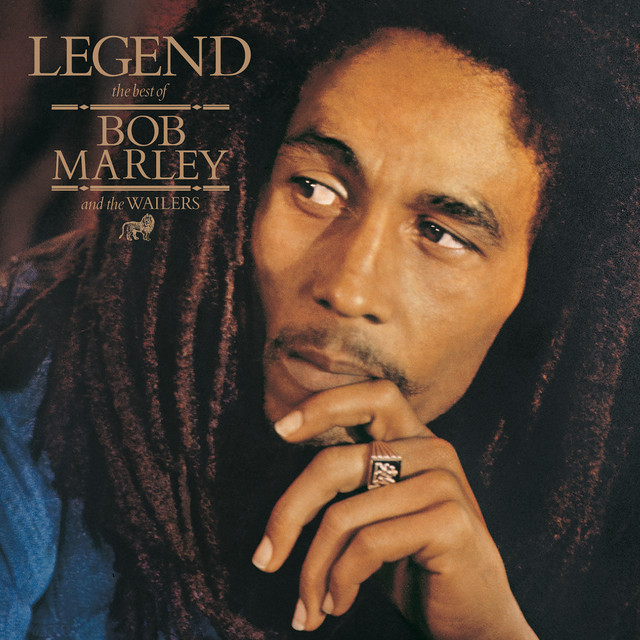
Song preview
Listen on


Quick Meaning
The song calls for empowerment and resistance against oppression, urging listeners to stand up for their rights. It critiques false promises of salvation and emphasizes the importance of fighting for justice in the present.
- inspirational
- defiant
- uplifting
- empowerment
Metadata
- Year
- 1973
- Album
- Marley (The Original Soundtrack)
- Genre
- Reggae
- Unique visits
- 6
- Generated at
- May 05, 2026
- Updated at
- Sep 28, 2026
Meaning
Main Meaning
itsMong interpretation
The lyrics emphasize the importance of standing up for one's rights and not succumbing to oppression.
Lines like 'Oh, preacher man, don't tell me heaven is under the earth' challenge religious authority and suggest that true fulfillment comes from fighting for justice in life, not waiting for an afterlife.
The repeated call to 'get up, stand up' reinforces the urgency of taking action against injustice.
Title Analysis
The title 'Get Up, Stand Up' literally calls for action and resistance.
It connects to the repeated exhortation in the lyrics to stand up for one's rights, emphasizing the song's central theme of empowerment and activism.
The phrase encapsulates the spirit of the song, urging listeners to take a stand against oppression.
Deeper Insight
The song presents a dual reading of faith and action. On one hand, it critiques the reliance on divine intervention, as seen in lines like 'Most people think that great God will come from the sky.'
On the other hand, it emphasizes the necessity of human action to achieve justice, as highlighted in the repeated calls to 'get up, stand up.'
This tension reflects a broader struggle between hope and agency.
Emotional Impact
Listeners may feel empowered and motivated to take action against injustice, inspired by the song's call to stand up for one's rights.
Song Takeaway
The song teaches the importance of standing up for one's rights and not waiting for external forces to bring about change.
Key Lines
"Get up, stand up"
This line serves as a rallying cry for listeners to take action and assert their rights.
"Stand up for your right"
This reinforces the message that individuals should actively defend their rights against oppression.
"Don't give up the fight"
This line emphasizes perseverance in the struggle for justice, encouraging resilience.
"Oh, preacher man, don't tell me heaven is under the earth"
This challenges religious authority and the idea of waiting for divine intervention, suggesting that action is needed in the present.
"It's not all that glitter is gold, and half the story has never been told"
This line critiques superficial appearances and highlights the complexity of truth, urging listeners to seek deeper understanding.
"Most people think that great God will come from the sky"
This reflects a common belief in divine intervention, which the song disputes by advocating for human agency.
"If you know what life is worth, you would look for yours on earth"
This line emphasizes the importance of valuing life and seeking fulfillment in the present rather than in an afterlife.
"We know and we understand Almighty God is a living man"
This suggests a more humanistic view of divinity, emphasizing that spiritual authority should be grounded in real-world action.
"You fool some people sometimes, yeah But you can't fool all the people all the time'"
This line speaks to the inevitability of truth coming to light, reinforcing the theme of awareness and resistance.
"We gonna stand up for our right"
This reaffirms the collective commitment to fight for justice and equality.
Explore a question
What does the title add?
The title 'Get Up, Stand Up' literally calls for action and resistance. It connects to the repeated exhortation in the lyrics to stand up for one's rights, emphasizing the song's central theme of empowerment and activism. The phrase encapsulates the spirit of the song, urging listeners to take a stand against oppression.
What does this key detail suggest?
Get up, stand up
This line serves as a rallying cry for listeners to take action and assert their rights.
What deeper tension appears?
The song presents a dual reading of faith and action. On one hand, it critiques the reliance on divine intervention, as seen in lines like 'Most people think that great God will come from the sky.' On the other hand, it emphasizes the necessity of human action to achieve justice, as highlighted in the repeated calls to 'get up, stand up.' This tension reflects a broader struggle between hope and agency.
Song insights
Emotion Profile
A reading of the song's emotional signals, derived from its saved interpretation.
Emotional intensityVery high
Strong calls to action throughout the lyrics.
VulnerabilityModerate
Acknowledgment of struggles and injustices faced.
PrideHigh
A sense of collective pride in fighting for rights.
Emotional dependencyModerate
Dependence on community support for empowerment.
Levels describe how strongly a signal appears in this reading of the song; they do not measure the listener.
InspirationalDefiantUplifting
Mong DNA
Recurring themes and motifs identified in the saved interpretation.
What is Mong DNA?Loading...
Loading...
Explore more music
Bob Marley & The Wailers · Artist profile and albums
Comments & reviews
What moved you? Share your take on the lyrics, the sound or a moment this song reminds you of.
Sign in to comment.
Start the conversation. What would you tell someone hearing this song for the first time?
Rate this song
Lyrics
Optional — choose one to five stars.
Instrumental
Optional — choose one to five stars.
Emotional impact
Optional — choose one to five stars.
Overall
Optional — choose one to five stars.
Community rating