Loading song
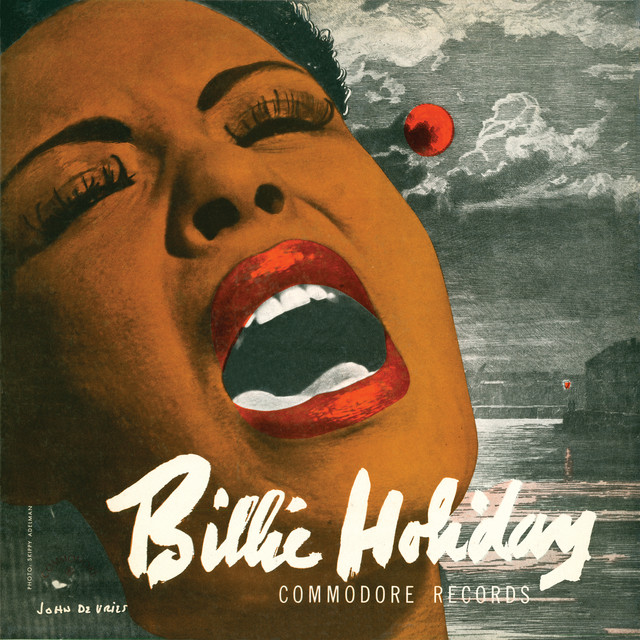
Song preview
Listen on


Quick Meaning
'Strange Fruit' is a haunting protest against the lynching of African Americans, vividly depicting the horror and brutality of racism. Billie Holiday's poignant delivery transforms this stark imagery into a powerful emotional experience.
- sorrow
- protest
- melancholy
- reflection
Metadata
- Year
- 1939
- Album
- Billy Remembers Billie (Billy Crystal Selects His Favorite Billie Holiday Music)
- Genre
- Jazz
- Unique visits
- 8
- Generated at
- May 05, 2026
- Updated at
- Aug 18, 2026
Meaning
Main Meaning
itsMong interpretation
The song opens with the stark image of 'Southern trees bear a strange fruit,' immediately invoking the grotesque reality of lynching against a backdrop of pastoral beauty. This juxtaposition highlights the deep-rooted horror of racism, as Holiday's voice carries a weight of sorrow and defiance.
Lines like 'blood on the leaves and blood at the root' emphasize the visceral connection between nature and the violence inflicted upon Black bodies, turning the landscape into a silent witness. The haunting refrain of 'strange fruit' becomes a metaphor for the lives lost, encapsulating a bitter truth that lingers long after the song ends.
As listeners, we are confronted not just with the past, but with an ongoing legacy of racial violence that demands reflection.
Title Analysis
'Strange Fruit' serves as a powerful metaphor for the lynching of African Americans, highlighting the grotesque reality of racial violence hidden beneath a seemingly beautiful Southern landscape.
The title encapsulates the horror of human lives reduced to mere 'fruit' hanging from trees.
Deeper Insight
The emotional weight of 'Strange Fruit' lies in its ability to transform a personal tragedy into a collective cry for justice.
The song's chilling imagery not only memorializes the victims of lynching but also critiques the societal indifference to their suffering.
Holiday's performance, marked by deep sorrow and defiance, invites listeners to grapple with the uncomfortable truth of America's racial history.
Emotional Impact
Listeners often feel a profound sense of sadness and anger when confronted with the stark realities presented in the song, making it an enduring anthem for racial justice.
Song Takeaway
The song reminds us of the importance of confronting uncomfortable truths about our history.
It challenges listeners to reflect on the ongoing impact of racism and the need for justice in society. By acknowledging this painful legacy, we can work toward a more equitable future.
Key Lines
"Southern trees bear a strange fruit"
This line sets the scene, contrasting the beauty of Southern trees with the horrific imagery of lynching, immediately shocking the listener.
"Blood on the leaves and blood at the root"
The repetition of 'blood' emphasizes the pervasive violence and its deep roots in American society, linking nature to the brutality of racism.
"Black bodies swingin' in the Southern breeze"
This stark visual confronts the listener with the reality of lynching, turning the natural imagery into a haunting reminder of loss and suffering.
"Pastoral scene of the gallant South"
The phrase 'pastoral scene' creates a jarring contrast with the preceding violence, highlighting the hypocrisy of romanticizing the South while ignoring its brutal history.
"Then the sudden smell of burnin' flesh"
This visceral image shocks the senses, forcing the listener to confront the gruesome reality of racial violence that lurks beneath the surface.
"Here is a fruit for the crows to pluck"
The 'fruit' symbolizes the lives lost to violence, suggesting a grim cycle of death and decay that nature itself cannot escape.
"Here is a strange and bitter crop"
The conclusion reinforces the bitter legacy of racism, presenting the outcome of this violence as an unpalatable reality that society must face.
Explore a question
What does the title add?
'Strange Fruit' serves as a powerful metaphor for the lynching of African Americans, highlighting the grotesque reality of racial violence hidden beneath a seemingly beautiful Southern landscape. The title encapsulates the horror of human lives reduced to mere 'fruit' hanging from trees.
What does this key detail suggest?
Southern trees bear a strange fruit
This line sets the scene, contrasting the beauty of Southern trees with the horrific imagery of lynching, immediately shocking the listener.
What deeper tension appears?
The emotional weight of 'Strange Fruit' lies in its ability to transform a personal tragedy into a collective cry for justice. The song's chilling imagery not only memorializes the victims of lynching but also critiques the societal indifference to their suffering. Holiday's performance, marked by deep sorrow and defiance, invites listeners to grapple with the uncomfortable truth of America's racial history.
Public Perception
Listeners often receive "Strange Fruit" as a haunting and powerful protest against the brutal reality of racial violence in America, particularly in response to the lynchings of African Americans, such as the tragic case of Thomas Shipp and Abram Smith.
The song evokes deep feelings of grief and mourning, prompting audiences to confront the painful legacy of racism and injustice.
Song insights
Emotion Profile
A reading of the song's emotional signals, derived from its saved interpretation.
Emotional intensityVery high
The graphic imagery evokes strong feelings of sorrow and outrage.
VulnerabilityHigh
The song exposes deep societal wounds and personal pain.
PrideLow
While it honors victims, it doesn't evoke pride in the traditional sense.
Emotional dependencyLow
Listeners may feel a connection but not dependency on the song.
Levels describe how strongly a signal appears in this reading of the song; they do not measure the listener.
Mong DNA
Recurring themes and motifs identified in the saved interpretation.
What is Mong DNA?Loading...
Loading...
Comments & reviews
What moved you? Share your take on the lyrics, the sound or a moment this song reminds you of.
Sign in to comment.
Start the conversation. What would you tell someone hearing this song for the first time?
Rate this song
Lyrics
Optional — choose one to five stars.
Instrumental
Optional — choose one to five stars.
Emotional impact
Optional — choose one to five stars.
Overall
Optional — choose one to five stars.
Community rating