Loading song
Song preview
Listen on


Quick Meaning
'Looking for Changes' expresses a stark critique of animal cruelty and the ethical responsibilities of humans. Through vivid imagery, McCartney confronts listeners with unsettling scenes that demand reflection and change.
- urgency
- discomfort
- compassion
- activism
Metadata
- Year
- 1993
- Album
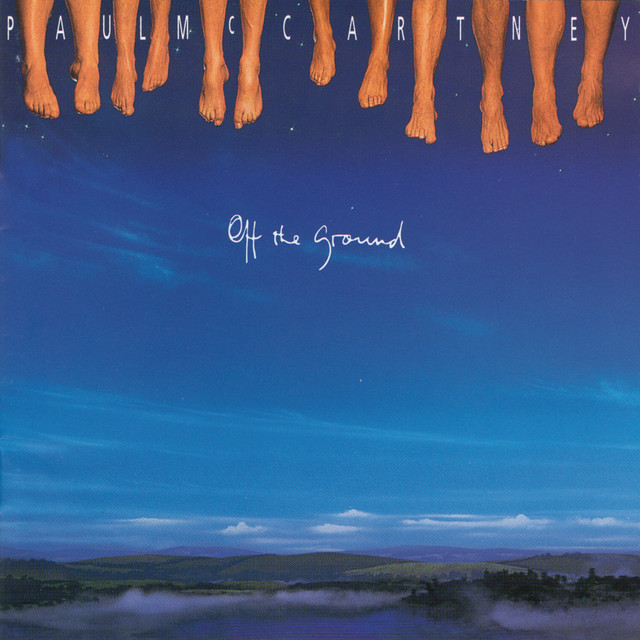
- Off the Ground
- Genre
- Pop
- Unique visits
- 7
- Generated at
- May 31, 2026
- Updated at
- Aug 20, 2026
Meaning
Main Meaning
itsMong interpretation
Opening with a cat 'with a machine in his brain', McCartney uses stark imagery to highlight the often-overlooked suffering of animals in laboratories. The contrast of the man's indifference to the cat's pain reveals a broader societal issue regarding how creatures are treated, urging a shift in perspective.
As the lyrics unfold, the repeated call for 'changes' emphasizes a collective responsibility to rethink our interactions with fellow beings. The song’s emotional weight is amplified by the images of the rabbit and monkey, each representing the cruelty that can be inflicted in the name of science or entertainment.
This plea for empathy resonates deeply, suggesting that true growth comes from recognizing and addressing these injustices.
Title Analysis
The title 'Looking for Changes' encapsulates the song's urgent call for a transformation in attitudes towards animal welfare.
It suggests a quest not just for superficial adjustments, but for fundamental shifts in how society perceives and treats living beings.
Deeper Insight
Beneath the surface, McCartney's lyrics reveal a profound discomfort with the status quo of animal treatment, contrasting human apathy with the deep emotional lives of animals.
The vivid, often shocking imagery serves not only to critique but also to provoke a necessary dialogue about ethics and compassion in society.
Emotional Impact
Listeners may feel a mix of discomfort and urgency, prompting them to reflect on their own views regarding animal rights.
Song Takeaway
The song invites listeners to confront uncomfortable truths about their consumption and treatment of animals.
It suggests that true growth comes from acknowledging our impact on the world and advocating for those who cannot speak for themselves.
Key Lines
"I saw a cat with a machine in his brain"
This line starkly introduces the theme of animal experimentation, provoking immediate discomfort and questioning the ethics behind such practices.
"The man who fed him said he didn't feel any pain"
This reflects a troubling denial of responsibility, highlighting how some individuals rationalize cruelty through ignorance or indifference.
"I'd like to see that man take out that machine"
Here, McCartney challenges the listener to confront the consequences of their actions, advocating for empathy by suggesting a reversal of roles.
"I saw a rabbit with its eyes full of tears"
The imagery of a crying rabbit serves as a poignant symbol of suffering, evoking a visceral emotional response from the audience.
"Why don't we make them pay for every last eye"
This line underscores a demand for accountability, suggesting that those who inflict pain should face consequences for their actions.
"The lab that owned it had been doing it for years"
This highlights the systemic nature of animal cruelty, implying that such practices are normalized and perpetuated over time.
"A guy beside him gave him cigarettes to smoke"
This shocking image critiques human exploitation for amusement, emphasizing the absurdity and cruelty of treating animals as mere entertainment.
"When I tell you that we'll all be Looking for changes"
The repetition of this line reinforces the song's central theme, creating a rallying cry for collective action and awareness.
Explore a question
What does the title add?
The title 'Looking for Changes' encapsulates the song's urgent call for a transformation in attitudes towards animal welfare. It suggests a quest not just for superficial adjustments, but for fundamental shifts in how society perceives and treats living beings.
What does this key detail suggest?
I saw a cat with a machine in his brain
This line starkly introduces the theme of animal experimentation, provoking immediate discomfort and questioning the ethics behind such practices.
What deeper tension appears?
Beneath the surface, McCartney's lyrics reveal a profound discomfort with the status quo of animal treatment, contrasting human apathy with the deep emotional lives of animals. The vivid, often shocking imagery serves not only to critique but also to provoke a necessary dialogue about ethics and compassion in society.
Public Perception
Listeners often view "Looking for Changes" as a poignant reflection on the struggles faced by animals, connecting deeply with those who advocate for their rights and highlighting the ongoing need for compassion and awareness in society.
Song insights
Emotion Profile
A reading of the song's emotional signals, derived from its saved interpretation.
Emotional intensityHigh
The vivid imagery evokes strong emotional reactions.
VulnerabilityHigh
The song exposes societal flaws in treating animals.
PrideModerate
Listeners may feel pride in advocating for change.
Emotional dependencyModerate
The theme fosters a sense of collective responsibility.
Levels describe how strongly a signal appears in this reading of the song; they do not measure the listener.
Mong DNA
Recurring themes and motifs identified in the saved interpretation.
What is Mong DNA?Loading...
Loading...
Comments & reviews
What moved you? Share your take on the lyrics, the sound or a moment this song reminds you of.
Sign in to comment.
Start the conversation. What would you tell someone hearing this song for the first time?
Rate this song
Lyrics
Optional — choose one to five stars.
Instrumental
Optional — choose one to five stars.
Emotional impact
Optional — choose one to five stars.
Overall
Optional — choose one to five stars.
Community rating