Loading song
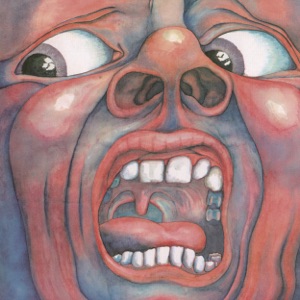
Song preview
Listen on


Quick Meaning
'Moonchild (Including "The Dream" and "The Illusion")' captures a whimsical yet haunting journey of a dreamer, as she dances through nature's shadows and light. The song blends ethereal imagery with a sense of longing, encapsulating an elusive childhood innocence that feels both beautiful and melancholic.
- nostalgia
- longing
- solitude
- innocence
Metadata
- Year
- 1969
- Album
- In the Court of the Crimson King (Expanded Edition)
- Genre
- Prog-Rock/Art Rock
- Unique visits
- 18
- Generated at
- Jul 19, 2026
- Updated at
- Jul 19, 2026
Meaning
Main Meaning
itsMong interpretation
The narrative unfolds around a 'moonchild', a figure embodying both innocence and solitude as she interacts with the natural world. Lines like 'Dancing in the shallows of a river' evoke a serene yet transient beauty, suggesting a fleeting connection to nature and childhood.
The juxtaposition of loneliness in 'Lonely moonchild' with the vibrant imagery of 'Gathering the flowers in a garden' highlights a tension between joy and isolation. This duality is further emphasized in the song's structure, where the transition from lyrical verses to free-form improvisation reflects a movement from clarity to abstraction, mirroring the dreamlike state of the moonchild.
King Crimson's use of mellotron adds to this ethereal quality, creating a soundscape that feels both timeless and ephemeral, inviting listeners to lose themselves in the moment.
Title Analysis
The title 'Moonchild' suggests a mystical, otherworldly persona, often interpreted as a symbol of innocence and ethereal beauty.
It evokes imagery of night and dreams, emphasizing the song's exploration of childhood wonder and longing.
Deeper Insight
The song's transition from structured lyrics to free-form improvisation mirrors the moonchild's journey from clarity to abstraction, reflecting the elusive nature of dreams and memories.
This shift can be seen as a commentary on the loss of innocence, where the whimsical imagery gives way to a more chaotic, uncertain reality.
The interplay between light and shadow throughout the piece encapsulates a bittersweet nostalgia, inviting listeners to confront their own fleeting moments of joy and sorrow.
Emotional Impact
Listeners may feel a deep sense of nostalgia and yearning, resonating with the themes of innocence and solitude.
Song Takeaway
The song reminds us of the delicate balance between joy and loneliness, encouraging reflection on our own fleeting moments of innocence.
It invites listeners to cherish the beauty in solitude while acknowledging the longing for connection that often accompanies it.
Key Lines
"Call her moonchild"
This line introduces the central figure, framing her as a mystical entity linked to the night and dreams.
"Dancing in the shallows of a river"
The imagery evokes freedom and playfulness, yet the 'shallows' suggest a lack of depth, hinting at superficiality in her joy.
"Lonely moonchild"
This juxtaposition of loneliness with the whimsical tone introduces an emotional complexity, revealing her isolation despite her enchanting nature.
"Waiting for the sun on the mountain"
Symbolizing hope or a return to warmth, this line reflects her yearning for connection and fulfillment, contrasting with her current solitude.
"Playing hide and seek with the ghosts of dawn"
This line suggests an engagement with fleeting moments and memories, emphasizing the ephemeral nature of childhood and innocence.
"Waiting for a smile from a sun child"
The 'sun child' represents a contrasting figure of vitality and warmth, highlighting the moonchild's longing for companionship and joy.
Explore a question
What does the title add?
The title 'Moonchild' suggests a mystical, otherworldly persona, often interpreted as a symbol of innocence and ethereal beauty. It evokes imagery of night and dreams, emphasizing the song's exploration of childhood wonder and longing.
What does this key detail suggest?
Call her moonchild
This line introduces the central figure, framing her as a mystical entity linked to the night and dreams.
What deeper tension appears?
The song's transition from structured lyrics to free-form improvisation mirrors the moonchild's journey from clarity to abstraction, reflecting the elusive nature of dreams and memories. This shift can be seen as a commentary on the loss of innocence, where the whimsical imagery gives way to a more chaotic, uncertain reality. The interplay between light and shadow throughout the piece encapsulates a bittersweet nostalgia, inviting listeners to confront their own fleeting moments of joy and sorrow.
Public Perception
Listeners often interpret the song as a dreamy escape, resonating with those who feel both enchanted and isolated in their experiences.
Song insights
Emotion Profile
A reading of the song's emotional signals, derived from its saved interpretation.
Emotional intensityHigh
The vivid imagery evokes strong feelings of nostalgia and longing.
VulnerabilityHigh
The moonchild's isolation reveals a deep emotional core.
PrideLow
There is a sense of beauty in her solitude, but it lacks overt pride.
Emotional dependencyModerate
Her longing for connection indicates a moderate emotional reliance on others.
Levels describe how strongly a signal appears in this reading of the song; they do not measure the listener.
Mong DNA
Recurring themes and motifs identified in the saved interpretation.
What is Mong DNA?Loading...
Loading...
Comments & reviews
What moved you? Share your take on the lyrics, the sound or a moment this song reminds you of.
Sign in to comment.
Start the conversation. What would you tell someone hearing this song for the first time?
Rate this song
Lyrics
Optional — choose one to five stars.
Instrumental
Optional — choose one to five stars.
Emotional impact
Optional — choose one to five stars.
Overall
Optional — choose one to five stars.
Community rating