Loading song
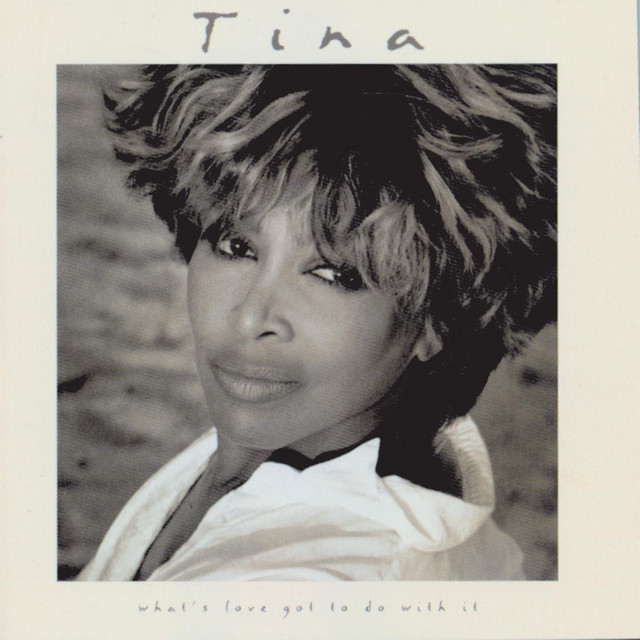
Song preview
Listen on


Quick Meaning
'What's Love Got to Do with It' expresses a conflicted view on love, questioning its significance in physical attraction and emotional vulnerability. The song captures a sense of guardedness in relationships, reflecting Tina Turner's complex emotional landscape.
- conflicted desire
- emotional detachment
- self-protection
- vulnerability
Metadata
- Year
- 1984
- Album
- What's Love Got to Do with It
- Genre
- Pop
- Unique visits
- 3
- Generated at
- May 21, 2026
- Updated at
- May 21, 2026
Meaning
Main Meaning
itsMong interpretation
At its core, 'What's Love Got to Do with It' navigates the tension between physical desire and emotional detachment. Turner articulates a sense of confusion and self-protection, suggesting that while attraction may ignite passion, love is ultimately a 'second-hand emotion'.
This juxtaposition highlights her wariness of vulnerability, a reflection of her own tumultuous past, particularly in the wake of her separation from Ike Turner.
The lyrics convey a powerful message about the complexities of intimacy, revealing how love can feel both alluring and perilous.
Title Analysis
The title 'What's Love Got to Do with It' encapsulates the song's central question about the relevance of love in the context of physical relationships.
It challenges traditional notions of romance, framing love as potentially irrelevant or even burdensome.
Deeper Insight
The song's emotional landscape reveals a stark contrast between desire and fear.
Turner’s acknowledgment of love as a 'second-hand emotion' speaks to the scars of past relationships, suggesting that her experiences have led her to view love with skepticism.
This tension between longing for connection and the fear of heartbreak creates a compelling narrative that resonates with listeners navigating similar emotional complexities.
Emotional Impact
Listeners often feel a mix of empowerment and vulnerability when engaging with this song, reflecting on their own relationships.
Song Takeaway
The song serves as a reminder that love can often complicate our lives, leading us to question its true value.
It encourages reflection on the balance between desire and emotional safety, illustrating the need for self-protection in relationships.
Key Lines
"Oh-oh-oh, what's love got to do, got to do with it?"
This repeated refrain underscores the song's central conflict, questioning the importance of love amidst physical attraction.
"What's love, but a second-hand emotion?"
This line suggests that love is not a primary feeling but rather something recycled, hinting at emotional fatigue and disillusionment.
"Who needs a heart when a heart can be broken?"
Here, Turner expresses a protective stance, implying that emotional investment can lead to pain, making detachment seem more appealing.
"You must try to ignore that it means more than that."
This line reveals the internal struggle between acknowledging deeper feelings and the desire to maintain emotional distance.
"I've been thinking about my own protection."
This admission highlights the theme of self-preservation, indicating a wariness of vulnerability in romantic situations.
"It may seem to you that I'm acting confused when you're close to me."
Turner captures the paradox of attraction, where closeness brings both excitement and confusion, reflecting her inner conflict.
"There's a name for it, there's a phrase that fits."
This line hints at a deeper understanding of her feelings, yet she remains hesitant to fully embrace them.
"I've been taking on a new direction."
This suggests a shift in her life perspective, possibly alluding to her journey of self-discovery and empowerment post-Ike.
Explore a question
What does the title add?
The title 'What's Love Got to Do with It' encapsulates the song's central question about the relevance of love in the context of physical relationships. It challenges traditional notions of romance, framing love as potentially irrelevant or even burdensome.
What does this key detail suggest?
Oh-oh-oh, what's love got to do, got to do with it?
This repeated refrain underscores the song's central conflict, questioning the importance of love amidst physical attraction.
What deeper tension appears?
The song's emotional landscape reveals a stark contrast between desire and fear. Turner’s acknowledgment of love as a 'second-hand emotion' speaks to the scars of past relationships, suggesting that her experiences have led her to view love with skepticism. This tension between longing for connection and the fear of heartbreak creates a compelling narrative that resonates with listeners navigating similar emotional complexities.
Public Perception
Listeners often view this song as an anthem of empowerment and emotional complexity.
Song insights
Emotion Profile
A reading of the song's emotional signals, derived from its saved interpretation.
Emotional intensityVery high
The song's themes of love and loss resonate deeply with many listeners.
VulnerabilityHigh
Turner's cautious approach to love highlights her emotional depth.
PrideModerate
Her assertive delivery showcases confidence amidst vulnerability.
Emotional dependencyModerate
The lyrics reflect a complex relationship with emotional attachment.
Levels describe how strongly a signal appears in this reading of the song; they do not measure the listener.
Conflicted desireEmotional detachmentSelf protectionVulnerabilityEmpowerment
Loading...
Loading...
Comments & reviews
What moved you? Share your take on the lyrics, the sound or a moment this song reminds you of.
Sign in to comment.
Start the conversation. What would you tell someone hearing this song for the first time?
Rate this song
Lyrics
Optional — choose one to five stars.
Instrumental
Optional — choose one to five stars.
Emotional impact
Optional — choose one to five stars.
Overall
Optional — choose one to five stars.
Community rating