Loading song
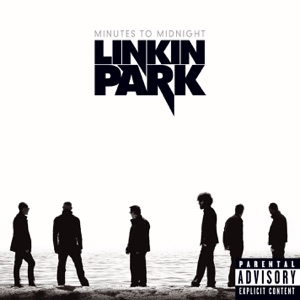
Song preview
Listen on


Quick Meaning
In 'What I've Done,' Linkin Park explores themes of regret and redemption, as the lyrics reflect a struggle to confront past mistakes and seek forgiveness. The song's emotional depth is underscored by its powerful imagery and the desire to start anew.
- regret
- redemption
- forgiveness
- introspection
Metadata
- Year
- 2007
- Album
- Minutes to Midnight (Deluxe Edition)
- Genre
- Hard Rock
- Unique visits
- 7
- Generated at
- Jul 08, 2026
- Updated at
- Oct 04, 2026
Meaning
Main Meaning
itsMong interpretation
The lyrics of 'What I've Done' convey a deep sense of regret and the desire for redemption, as the speaker grapples with their past actions.
Lines like 'I'll face myself to cross out what I've become' and 'let go of what I've done' illustrate a struggle to reconcile one's identity with the weight of previous mistakes, emphasizing the need for forgiveness and a fresh start.
Title Analysis
The title 'What I've Done' directly references the speaker's past actions and the burden of regret they carry.
It encapsulates the central theme of the song, which is the desire to confront and move beyond those actions, as seen in the lyric 'let go of what I've done.'
Deeper Insight
The song's exploration of regret and redemption can be seen as a reflection of the human condition, where individuals often grapple with their past choices.
The repeated emphasis on forgiveness suggests that personal growth is possible through self-acceptance and letting go.
Emotional Impact
Listeners may resonate with the song's themes of regret and the quest for redemption, feeling a sense of catharsis as they reflect on their own past mistakes.
Song Takeaway
The song teaches that acknowledging one's past is essential for personal growth and that forgiveness, both from oneself and others, is crucial for moving forward.
Key Lines
"In this farewell"
Translation"In this farewell"
InterpretationThis opening line sets a tone of finality, suggesting a significant departure or ending.
"There's no blood, there's no alibi'"
Translation"There's no blood, there's no alibi."
InterpretationThis line implies a confrontation with truth, devoid of excuses or justifications for past actions.
"Cause I've drawn regret From the truth of a thousand lies"
Translation"Porque eu desenhei arrependimento From the truth of a thousand lies"
InterpretationHere, the speaker acknowledges the consequences of deception, highlighting the weight of regret.
"So let mercy come and wash away What I've done"
Translation"So let mercy come and wash away What I've done"
InterpretationThis plea for mercy signifies a desire for forgiveness and the hope for redemption.
"I'll face myself To cross out what I've become"
Translation"I'll confront myself. To erase what I've become"
InterpretationThis line reflects an internal struggle, as the speaker seeks to confront their identity shaped by past mistakes.
"Erase myself And let go of what I've done"
Translation"Erase myself E deixe ir o que eu fiz."
InterpretationThe desire to erase one's past actions indicates a longing for a fresh start and personal transformation.
"For what I've done I start again"
Translation"For what I've done I start again"
InterpretationThis line emphasizes the theme of renewal, suggesting that acknowledging past mistakes is the first step toward change.
"I'm forgiving What I've done"
Translation". What I've done"
InterpretationThis declaration of forgiveness signifies a crucial step in the healing process, allowing the speaker to move forward.
Explore a question
What does the title add?
The title 'What I've Done' directly references the speaker's past actions and the burden of regret they carry. It encapsulates the central theme of the song, which is the desire to confront and move beyond those actions, as seen in the lyric 'let go of what I've done.'
What does this key detail suggest?
In this farewell
This opening line sets a tone of finality, suggesting a significant departure or ending.
What deeper tension appears?
The song's exploration of regret and redemption can be seen as a reflection of the human condition, where individuals often grapple with their past choices. The repeated emphasis on forgiveness suggests that personal growth is possible through self-acceptance and letting go.
Public Perception
The song was well-received for its emotional depth and connection to the film Transformers, resonating with audiences.
Song insights
Emotion Profile
A reading of the song's emotional signals, derived from its saved interpretation.
Emotional intensityHigh
Strong expressions of regret and desire for change.
VulnerabilityHigh
Openness about past mistakes and need for forgiveness.
PrideModerate
Acknowledgment of personal flaws without defensiveness.
Emotional dependencyModerate
Reliance on forgiveness for personal growth.
Levels describe how strongly a signal appears in this reading of the song; they do not measure the listener.
Mong DNA
Recurring themes and motifs identified in the saved interpretation.
What is Mong DNA?Loading...
Loading...
Explore more music
LINKIN PARK · Artist profile and albums
Comments & reviews
What moved you? Share your take on the lyrics, the sound or a moment this song reminds you of.
Sign in to comment.
Start the conversation. What would you tell someone hearing this song for the first time?
Rate this song
Lyrics
Optional — choose one to five stars.
Instrumental
Optional — choose one to five stars.
Emotional impact
Optional — choose one to five stars.
Overall
Optional — choose one to five stars.
Community rating