Loading song
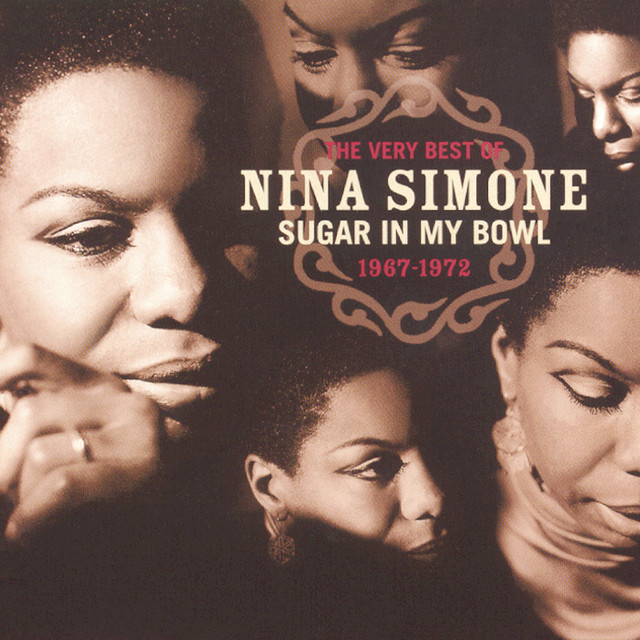
Song preview
Listen on


Quick Meaning
'Mississippi Goddam' is a powerful protest song by Nina Simone, expressing her outrage over racial violence and injustice in America. The track channels her anger into a call for equality and urgent social change.
- outrage
- defiance
- urgency
Metadata
- Year
- 1964
- Album
- The Essential Nina Simone
- Genre
- Jazz
- Unique visits
- 15
- Generated at
- May 21, 2026
- Updated at
- Aug 24, 2026
Meaning
Main Meaning
itsMong interpretation
Simone's 'Mississippi Goddam' emerges from a landscape of grief and fury, anchored by the violent realities faced by African Americans. The repeated refrain evokes a sense of collective suffering, while the lyrics articulate a profound frustration with systemic racism and the slow pace of change.
Her sardonic tone, especially when she declares 'too slow', underscores the urgency of her message. This isn't merely a lament; it's a fierce demand for justice, reflecting Simone's role as a voice for the civil rights movement.
The song's raw emotion and political charge resonate deeply, making it a timeless anthem against oppression.
Title Analysis
The title 'Mississippi Goddam' serves as both a direct expression of outrage and a pointed critique of systemic racism in America.
By invoking Mississippi, a state synonymous with racial violence, Simone highlights the urgency of her message.
Deeper Insight
At its core, 'Mississippi Goddam' juxtaposes personal anguish with a broader social critique, revealing the psychological toll of systemic racism.
Simone's use of sarcasm, particularly in labeling the song a 'show tune', highlights the absurdity of her situation—demanding joy in a world rife with suffering.
This contrast between expectation and reality deepens the emotional impact, compelling listeners to confront uncomfortable truths about their society.
Emotional Impact
The song evokes a visceral reaction, stirring feelings of anger and urgency in listeners as it confronts systemic injustice.
Song Takeaway
The song teaches that anger can be a powerful catalyst for change, urging listeners to confront uncomfortable truths about injustice.
It emphasizes the importance of collective action in the face of systemic oppression, reminding us that silence only perpetuates suffering.
Key Lines
"Alabama's gotten me so upset"
This line sets the emotional tone, revealing the personal impact of racial injustice on Simone's psyche.
"I can't stand the pressure much longer"
Here, Simone articulates a palpable sense of desperation, reflecting the collective anxiety of her community.
"Hound dogs on my trail"
This metaphor evokes the relentless pursuit and oppression faced by African Americans, symbolizing a constant state of fear.
"You don't have to live next to me Just give me my equality"
This plea underscores the desire for basic human rights, challenging the listener to confront their complicity in systemic inequality.
"Cause I don't trust you anymore"
This line reveals a deep disillusionment with societal promises, capturing the betrayal felt by marginalized communities.
"They keep on saying "Go slow!""
This refrain critiques the complacency of those in power, highlighting the frustration with gradualism in the fight for civil rights.
"My country is full of lies"
Simone's stark declaration reflects a profound disillusionment with the American dream, exposing the hypocrisy of a nation built on inequality.
"All I want is equality"
This simple yet powerful statement encapsulates the essence of the struggle for civil rights, demanding recognition and justice.
"You're just plain rotten"
This blunt accusation serves to confront the systemic failures and moral decay within society that perpetuate racism.
"Everybody knows about Mississippi Goddam"
The repeated line emphasizes the widespread awareness of racial injustice, turning personal pain into a collective cry for action.
Explore a question
What does the title add?
The title 'Mississippi Goddam' serves as both a direct expression of outrage and a pointed critique of systemic racism in America. By invoking Mississippi, a state synonymous with racial violence, Simone highlights the urgency of her message.
What does this key detail suggest?
Alabama's gotten me so upset
This line sets the emotional tone, revealing the personal impact of racial injustice on Simone's psyche.
What deeper tension appears?
At its core, 'Mississippi Goddam' juxtaposes personal anguish with a broader social critique, revealing the psychological toll of systemic racism. Simone's use of sarcasm, particularly in labeling the song a 'show tune', highlights the absurdity of her situation—demanding joy in a world rife with suffering. This contrast between expectation and reality deepens the emotional impact, compelling listeners to confront uncomfortable truths about their society.
Public Perception
Listeners often interpret 'Mississippi Goddam' as a powerful expression of frustration and sorrow in response to the racial violence of the 1960s, particularly following the tragic events surrounding the civil rights movement.
Nina Simone's candid delivery and the song's urgent tone resonate with those grappling with ongoing struggles for justice and equality.
Song insights
Emotion Profile
A reading of the song's emotional signals, derived from its saved interpretation.
Emotional intensityVery high
The repeated refrain and urgent calls for justice convey overwhelming anger and frustration, creating a powerful emotional force throughout the song.
VulnerabilityHigh
Simone expresses uncertainty and a sense of not belonging, as shown in lines like 'I don't belong here, I don't belong there,' revealing deep personal and collective pain.
PrideHigh
Her assertion of equality for her people and defiance against systemic oppression reflect a strong sense of pride in her identity and community.
Emotional dependencyModerate
While she expresses a need for equality, there's a sense of independence in her call for justice, indicating a moderate reliance on societal change rather than personal validation.
Levels describe how strongly a signal appears in this reading of the song; they do not measure the listener.
Mong DNA
Recurring themes and motifs identified in the saved interpretation.
What is Mong DNA?Loading...
Loading...
Comments & reviews
What moved you? Share your take on the lyrics, the sound or a moment this song reminds you of.
Sign in to comment.
Start the conversation. What would you tell someone hearing this song for the first time?
Rate this song
Lyrics
Optional — choose one to five stars.
Instrumental
Optional — choose one to five stars.
Emotional impact
Optional — choose one to five stars.
Overall
Optional — choose one to five stars.
Community rating