Loading song
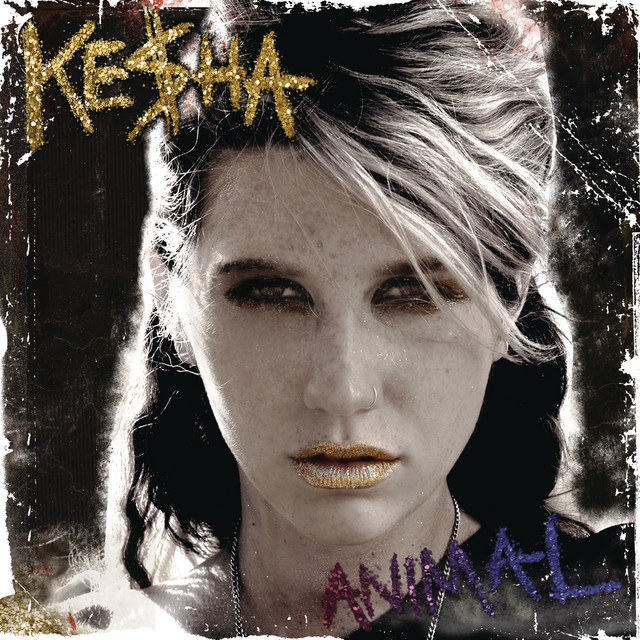
Song preview
Listen on


Quick Meaning
In Kesha's hit song "TiK ToK," the artist captures a carefree party atmosphere, where the protagonist embraces a night of fun without worries. The lyrics reflect a youthful exuberance and a desire to live in the moment, highlighting themes of indulgence and self-confidence.
- carefree
- exuberant
- playful
- confident
Metadata
- Year
- 2009
- Album
- Animal (Expanded Edition)
- Genre
- Pop
- Unique visits
- 1
- Generated at
- Oct 11, 2026
- Updated at
- Oct 11, 2026
Meaning
Main Meaning
itsMong interpretation
Kesha's "TiK ToK" opens with a vivid depiction of a night out, where the protagonist wakes up feeling like a celebrity and prepares to hit the town.
The line "Ain't got a care in the world, but got plenty of beer" illustrates a carefree attitude, emphasizing indulgence despite financial constraints.
This juxtaposition of freedom and responsibility highlights the desire to escape reality and enjoy the moment, a central theme throughout the song.
Title Analysis
The title "TiK ToK" evokes the sound of a clock, symbolizing the passage of time and the urgency to enjoy life before it slips away.
The repeated lyric "Tick tock on the clock, but the party don't stop, no" reinforces this idea, suggesting that despite the ticking clock, the celebration continues unabated.
Deeper Insight
The line "Ain't got a care in the world, but got plenty of beer" suggests a duality in the protagonist's experience, where freedom comes with a disregard for consequences.
This tension between indulgence and responsibility is a recurring theme in the song, reflecting a youthful desire to escape reality.
Emotional Impact
Listeners may feel a sense of nostalgia and excitement, recalling their own carefree nights of partying and indulgence.
Song Takeaway
The song encourages listeners to embrace the moment and enjoy life without worrying about the future.
Key Lines
"Wake up in the morning feelin' like P. Diddy"
This line sets a confident tone, likening the protagonist's morning to that of a celebrity, suggesting a carefree lifestyle.
"Ain't got a care in the world, but got plenty of beer"
This juxtaposition highlights the theme of indulgence, where the protagonist prioritizes fun over financial concerns.
"Tick tock on the clock, but the party don't stop, no"
This refrain emphasizes the urgency of living in the moment, suggesting that time should not hinder enjoyment.
"Boys blowing up our phones, phones"
This line reflects the attention the protagonist receives, reinforcing themes of desirability and social engagement.
"We kick 'em to the curb unless they look like Mick Jagger"
This lyric showcases a playful attitude towards dating, emphasizing superficial standards in a humorous way.
"Don't stop, make it pop, DJ, blow my speakers up"
This command to the DJ highlights the importance of music in the party atmosphere, driving the energy of the night.
"Now, the party don't start' til I walk in"
This line conveys confidence and a sense of importance, suggesting the protagonist's role as a life of the party.
"Gonna smack him if he getting too drunk, drunk"
This line introduces a playful warning, adding a layer of humor and assertiveness to the party dynamics.
"With my hands up You got me now"
This expression of surrender to the music and the moment encapsulates the joy and abandon of the party experience.
"Tonight, I'ma fight ' til we see the sunlight"
This determination to keep the party going until dawn reinforces the theme of living life to the fullest.
Explore a question
What does the title add?
The title "TiK ToK" evokes the sound of a clock, symbolizing the passage of time and the urgency to enjoy life before it slips away. The repeated lyric "Tick tock on the clock, but the party don't stop, no" reinforces this idea, suggesting that despite the ticking clock, the celebration continues unabated.
What does this key detail suggest?
Wake up in the morning feelin' like P. Diddy
This line sets a confident tone, likening the protagonist's morning to that of a celebrity, suggesting a carefree lifestyle.
What deeper tension appears?
The line "Ain't got a care in the world, but got plenty of beer" suggests a duality in the protagonist's experience, where freedom comes with a disregard for consequences. This tension between indulgence and responsibility is a recurring theme in the song, reflecting a youthful desire to escape reality.
Public Perception
The song was widely embraced by audiences, becoming a defining anthem of the late 2000s party culture.
Song insights
Emotion Profile
A reading of the song's emotional signals, derived from its saved interpretation.
Emotional intensityHigh
The energetic party atmosphere throughout the song.
VulnerabilityLow
Limited acknowledgment of deeper emotional struggles.
PrideHigh
Confidence in the protagonist's social status and desirability.
Emotional dependencyLow
Independence from others, focusing on self-enjoyment.
Levels describe how strongly a signal appears in this reading of the song; they do not measure the listener.
CarefreeExuberantPlayfulConfidentIndulgent
Mong DNA
Recurring themes and motifs identified in the saved interpretation.
What is Mong DNA?Loading...
Loading...
Comments & reviews
What moved you? Share your take on the lyrics, the sound or a moment this song reminds you of.
Sign in to comment.
Start the conversation. What would you tell someone hearing this song for the first time?
Rate this song
Lyrics
Optional — choose one to five stars.
Instrumental
Optional — choose one to five stars.
Emotional impact
Optional — choose one to five stars.
Overall
Optional — choose one to five stars.
Community rating