Loading song
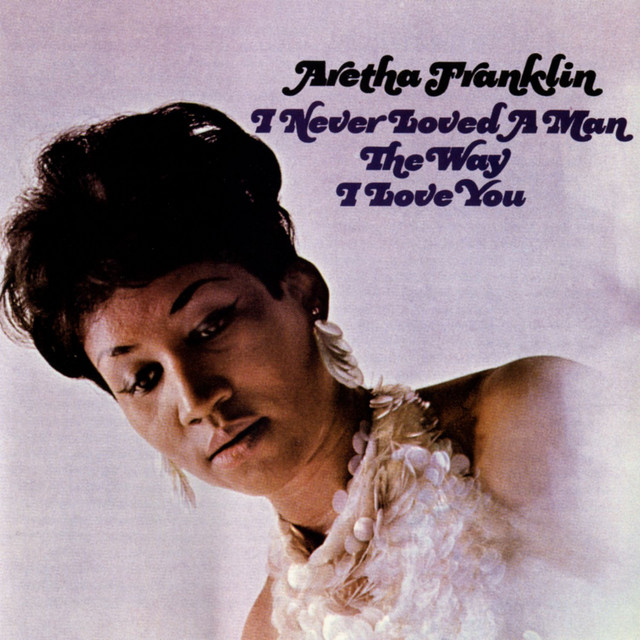
Song preview
Listen on


Quick Meaning
In Aretha Franklin's iconic song "Respect," she demands recognition and dignity from her partner, encapsulating a powerful plea for respect in relationships. The song's assertive tone and memorable chorus have made it a timeless anthem for both personal and social empowerment.
- empowerment
- defiance
- confidence
- soulful
Metadata
- Year
- 1967
- Album
- Soul Queen
- Genre
- Rock
- Unique visits
- 35
- Generated at
- May 05, 2026
- Updated at
- Oct 16, 2026
Meaning
Main Meaning
itsMong interpretation
In "Respect," Aretha Franklin articulates a powerful demand for acknowledgment and dignity from her partner, emphasizing the need for mutual respect in a relationship.
The repeated refrain, "All I'm askin' is for a little respect when you get home," underscores her insistence on being valued, while the contrasting imagery of giving and receiving highlights the imbalance often present in relationships.
This tension between desire and expectation is central to the song's emotional impact.
Title Analysis
The title "Respect" directly conveys the song's core theme of demanding recognition and dignity.
The lyric cue, "All I'm askin' is for a little respect when you get home," encapsulates the essence of the song, making it a universal call for acknowledgment in personal relationships.
Deeper Insight
The song's demand for respect can be interpreted as both a personal plea and a broader social commentary on gender dynamics.
The insistence on respect reflects a deeper struggle for equality, resonating with the feminist movements of the time and highlighting the importance of mutual acknowledgment in relationships.
Emotional Impact
Listeners may feel empowered and validated by Franklin's assertive demand for respect, resonating with their own experiences of seeking acknowledgment in relationships.
Song Takeaway
The song teaches the importance of mutual respect in relationships, highlighting that acknowledgment and dignity are essential for healthy connections.
Key Lines
"What you want, baby, I got it"
This line establishes a sense of readiness and willingness to meet the partner's needs, setting the stage for the demand for respect.
"All I'm askin' is for a little respect when you get home"
The repetition of this line emphasizes the urgency and importance of respect in the relationship, framing it as a fundamental expectation.
"I ain't gon' do you wrong while you're gone"
This line suggests loyalty and commitment, contrasting with the partner's potential neglect, highlighting the imbalance in their relationship.
"I'm about to give you all of my money"
Here, Franklin expresses her willingness to invest in the relationship, further underscoring her expectation of reciprocity in respect.
"Ooh, your kisses, sweeter than honey"
This metaphor elevates the partner's affection, juxtaposing it with her own contributions, reinforcing the need for mutual appreciation.
"R-E-S-P-E-C-T Find out what it means to me"
This iconic line serves as a direct demand for recognition, making the song's message clear and memorable.
"You're runnin' out of fools"
This line implies a warning, suggesting that the partner's lack of respect could lead to losing Franklin's loyalty, adding tension to the narrative.
"or you might walk in and find out I'm gone"
This closing line introduces a sense of consequence, indicating that without respect, the relationship may not endure.
Explore a question
What does the title add?
The title "Respect" directly conveys the song's core theme of demanding recognition and dignity. The lyric cue, "All I'm askin' is for a little respect when you get home," encapsulates the essence of the song, making it a universal call for acknowledgment in personal relationships.
What does this key detail suggest?
What you want, baby, I got it
This line establishes a sense of readiness and willingness to meet the partner's needs, setting the stage for the demand for respect.
What deeper tension appears?
The song's demand for respect can be interpreted as both a personal plea and a broader social commentary on gender dynamics. The insistence on respect reflects a deeper struggle for equality, resonating with the feminist movements of the time and highlighting the importance of mutual acknowledgment in relationships.
Public Perception
Critics and audiences alike have hailed "Respect" as one of the greatest songs of all time, recognizing its cultural significance and powerful message.
Song insights
Emotion Profile
A reading of the song's emotional signals, derived from its saved interpretation.
Emotional intensityVery high
The repeated demand for respect conveys strong feelings.
VulnerabilityHigh
Franklin reveals her need for acknowledgment.
PrideVery high
The assertive tone reflects self-respect and confidence.
Emotional dependencyHigh
The plea suggests reliance on respect for relationship stability.
Levels describe how strongly a signal appears in this reading of the song; they do not measure the listener.
Mong DNA
Recurring themes and motifs identified in the saved interpretation.
Themes
Archetypes
Meaning worlds
Loading...
Loading...
Comments & reviews
What moved you? Share your take on the lyrics, the sound or a moment this song reminds you of.
Sign in to comment.
Start the conversation. What would you tell someone hearing this song for the first time?
Rate this song
Lyrics
Optional — choose one to five stars.
Instrumental
Optional — choose one to five stars.
Emotional impact
Optional — choose one to five stars.
Overall
Optional — choose one to five stars.
Community rating