Loading song
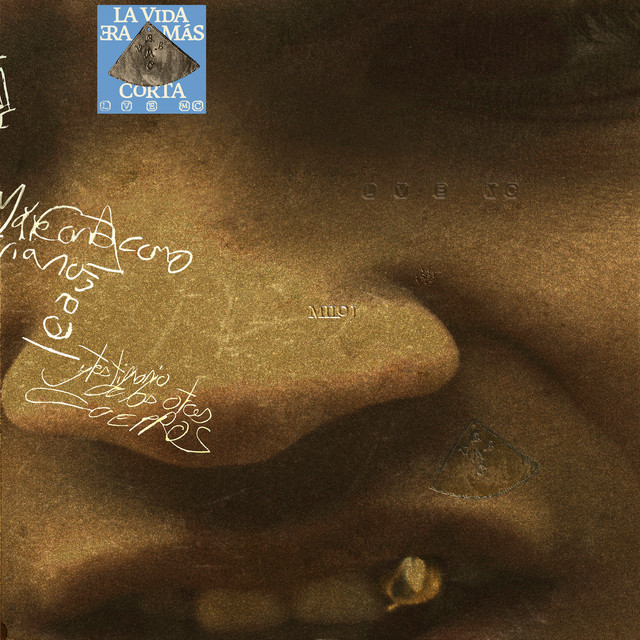
Song preview
Listen on


Quick Meaning
In 'Recordé,' Milo j explores themes of memory and self-reflection, juxtaposing past joys with present pain. The lyrics evoke a sense of longing and introspection, as the artist grapples with the weight of his past actions and the passage of time.
- nostalgia
- regret
- introspection
- vulnerability
Metadata
- Year
- 2025
- Album
- La Vida Era Más Corta
- Genre
- Rock y Alternativo
- Unique visits
- 1
- Generated at
- Oct 06, 2026
- Updated at
- Oct 06, 2026
Meaning
Main Meaning
itsMong interpretation
Milo j's 'Recordé' delves into the complexities of memory and identity, particularly through the lines 'Hoy recordé la melodía que sonaba cuando sonreía' and 'Ya que no fui buena persona.'
These contrasting cues highlight a struggle between cherished memories and the burden of past mistakes, suggesting a desire to reconcile with one's history while facing the inevitability of change and loss.
Title Analysis
The title 'Recordé,' meaning 'I remembered' in English, encapsulates the song's exploration of nostalgia and reflection on past experiences.
It connects deeply with the lyric 'Hoy recordé la melodía que sonaba cuando sonreía,' emphasizing the bittersweet nature of recalling joyful moments amidst current struggles.
Deeper Insight
The song presents a duality in its exploration of memory, where joyful recollections clash with the weight of guilt and regret.
The repeated acknowledgment of past mistakes suggests a longing for redemption, yet the artist remains trapped in a cycle of reflection and pain.
Emotional Impact
Listeners may resonate with the tension between nostalgia and regret, evoking a sense of shared human experience in grappling with one's past.
Song Takeaway
The song reflects on the importance of acknowledging one's past while recognizing the potential for growth and change.
Key Lines
"Hoy recordé la melodía que sonaba cuando sonreía"
Translation"Today I remembered the melody that played when I smiled"
InterpretationThis line captures the essence of nostalgia, linking a joyful memory to the present.
"Pero no puedo volver a sacar la sal de mis heridas"
Translation"But I can't take the salt out of my wounds again"
InterpretationHere, the artist acknowledges the pain of past experiences that cannot be undone.
"Tengo miedo de la oscuridad"
Translation"I'm afraid of the dark"
InterpretationThis expresses a fear of the unknown, reflecting inner turmoil and vulnerability.
"Porque soy otra piedra en la arena"
Translation"Because I'm just another stone in the sand"
InterpretationThis metaphor suggests a feeling of insignificance and the transient nature of existence.
"Ya que no fuí buena persona"
Translation"Since I wasn't a good person"
InterpretationThis admission of past wrongs adds depth to the artist's self-reflection and regret.
"¿Seré una buena persona?"
Translation"Will I be a good person?"
InterpretationThis rhetorical question highlights the artist's struggle with self-identity and morality.
"La verdad nos muestra que hay amor En los ojos de un niño"
Translation"The truth shows us there is love In the eyes of a child"
InterpretationThis line contrasts innocence with the artist's complex feelings, suggesting hope amidst despair.
"Y día a día convivo con mi dolor"
Translation"And day by day I live with my pain"
InterpretationThis line conveys the ongoing nature of the artist's pain, emphasizing a continuous struggle.
"Y la paz romperá mis cadenas"
Translation"And peace will break my chains"
InterpretationThis suggests a longing for liberation from past burdens, hinting at a desire for healing.
"Hoy recordé cuando moría, pero creo que era en la otra vida"
Translation"Today I remembered when I was dying, but I think it was in another life"
InterpretationThis line reflects on the concept of rebirth and the cyclical nature of life and death.
Explore a question
What does the title add?
The title 'Recordé,' meaning 'I remembered' in English, encapsulates the song's exploration of nostalgia and reflection on past experiences. It connects deeply with the lyric 'Hoy recordé la melodía que sonaba cuando sonreía,' emphasizing the bittersweet nature of recalling joyful moments amidst current struggles.
What does this key detail suggest?
Hoy recordé la melodía que sonaba cuando sonreía
This line captures the essence of nostalgia, linking a joyful memory to the present.
What deeper tension appears?
The song presents a duality in its exploration of memory, where joyful recollections clash with the weight of guilt and regret. The repeated acknowledgment of past mistakes suggests a longing for redemption, yet the artist remains trapped in a cycle of reflection and pain.
Song insights
Emotion Profile
A reading of the song's emotional signals, derived from its saved interpretation.
Emotional intensityHigh
Strong feelings of regret and longing are expressed.
VulnerabilityHigh
The artist reveals deep personal struggles.
PrideModerate
There is a recognition of past mistakes.
Emotional dependencyModerate
The artist's identity is tied to past experiences.
Levels describe how strongly a signal appears in this reading of the song; they do not measure the listener.
Mong DNA
Recurring themes and motifs identified in the saved interpretation.
What is Mong DNA?Loading...
Loading...
Comments & reviews
What moved you? Share your take on the lyrics, the sound or a moment this song reminds you of.
Sign in to comment.
Start the conversation. What would you tell someone hearing this song for the first time?
Rate this song
Lyrics
Optional — choose one to five stars.
Instrumental
Optional — choose one to five stars.
Emotional impact
Optional — choose one to five stars.
Overall
Optional — choose one to five stars.
Community rating