Loading song
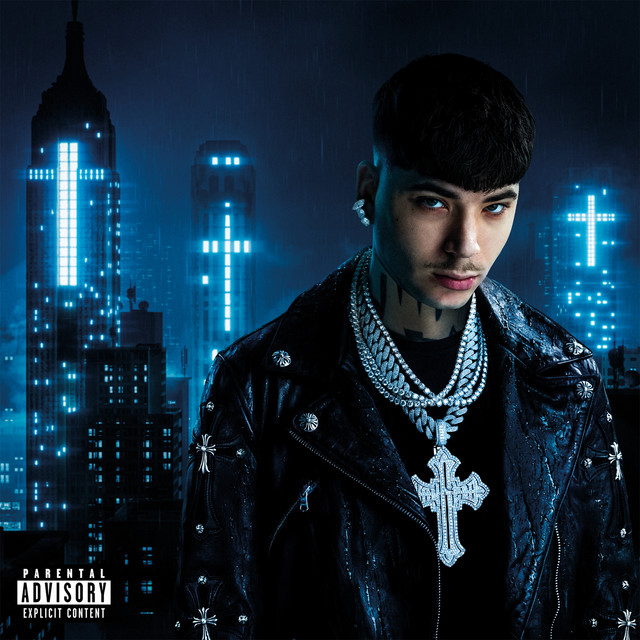
Song preview
Listen on


Quick Meaning
In 'V per Vangelo,' Shiva explores the internal struggle between fame and truth, grappling with themes of sin and the search for meaning. The tension between the desire for authenticity and the weight of the past is palpable throughout the song.
- vulnerability
- authenticity
- anger
- loneliness
Metadata
- Year
- 2024
- Album
- Milano Angels
- Genre
- Hip-Hop/Rap
- Unique visits
- 38
- Generated at
- May 26, 2026
- Updated at
- Oct 18, 2026
Meaning
Main Meaning
itsMong interpretation
Shiva's lyrics reflect a deep introspection, confronting his past and choices.
Phrases like 'Fanculo la fama, le mele marce e le vipere' highlight his rejection of superficiality and the pursuit of a deeper truth.
The assertion 'Questo è il mio Vangelo' suggests that his personal experiences and scars guide him, rather than societal conventions.
Title Analysis
The title 'V per Vangelo' plays on the concept of 'Gospel' as a symbol of truth and moral guidance.
The artist uses this term to express that his experiences and life represent his version of truth, contrasting with traditional interpretations.
Here, 'Gospel' takes on a personal and intimate meaning.
Deeper Insight
The song presents a literal reading of the artist's personal struggle with his past, while a possible secondary reading suggests a critique of societal expectations.
Key phrases like 'Fanculo la fama' and 'Questo è il mio Vangelo' support both readings, showcasing the conflict between authenticity and social pressure.
Emotional Impact
A possible listener might feel struck by the artist's vulnerability and sincerity, recognizing their own personal struggles.
Song Takeaway
The search for authenticity is crucial, even in a world that rewards superficiality.
Key Lines
"Eheh, tu ti aspetti il Vangelo?"
Translation"Hey, are you waiting for the Gospel?"
InterpretationThe artist questions others' expectations regarding his life and music.
"Qui i peccati non si cancellano, ti camminano accanto ogni giorno"
Translation"Here, sins don't get erased, they walk beside you every day"
InterpretationThis line emphasizes the permanence of past experiences and guilt, which continually influence the artist's life.
"Fanculo la fama, le mele marce e le vipere"
Translation"Screw fame, the rotten apples, and the vipers"
InterpretationHe rejects the superficial world of fame and the toxic people surrounding him.
"Ho paura di morire e fare i conti con Dio"
Translation"I'm afraid to die and face God"
InterpretationThis expresses a deep vulnerability and fear of facing ultimate judgment.
"Questo è il mio Vangelo"
Translation"This is my Gospel"
InterpretationThe declaration signifies that his personal truth and experiences are his guiding principles.
"La verità è che il silenzio è l'unico che mi inchioda"
Translation"The truth is that silence is the only thing that pins me down"
InterpretationHe suggests that silence and unaddressed issues weigh heavily on him.
"Ho bisogno di qualcosa in cui credere"
Translation"I need something to believe in"
InterpretationThis line reveals his longing for belief and meaning in a challenging world.
"Tranne nei penitenziari e nei letti degli ospedali"
Translation"Except in prisons and hospital beds"
InterpretationHe points out that divine presence is often felt in places of suffering and confinement.
"Veri amici sono rari, sento il sangue sulle mani"
Translation"True friends are rare, I feel the blood on my hands"
InterpretationThis highlights the rarity of true friendship amidst his struggles and guilt.
"Anche se ho l'anima sporca, non c'è bugia che salva"
Translation"Even if my soul is dirty, there's no lie that saves"
InterpretationHe acknowledges his flaws but asserts that honesty is essential for redemption.
Explore a question
What does the title add?
The title 'V per Vangelo' plays on the concept of 'Gospel' as a symbol of truth and moral guidance. The artist uses this term to express that his experiences and life represent his version of truth, contrasting with traditional interpretations. Here, 'Gospel' takes on a personal and intimate meaning.
What does this key detail suggest?
Eheh, tu ti aspetti il Vangelo?
The artist questions others' expectations regarding his life and music.
What deeper tension appears?
The song presents a literal reading of the artist's personal struggle with his past, while a possible secondary reading suggests a critique of societal expectations. Key phrases like 'Fanculo la fama' and 'Questo è il mio Vangelo' support both readings, showcasing the conflict between authenticity and social pressure.
Song insights
Emotion Profile
A reading of the song's emotional signals, derived from its saved interpretation.
Emotional intensityVery high
Strong expression of emotions and inner conflicts.
VulnerabilityHigh
Revelation of personal fears and insecurities.
PrideModerate
Rejection of superficiality, but with a sense of conflict.
Emotional dependencyModerate
Desire to find something to believe in.
Levels describe how strongly a signal appears in this reading of the song; they do not measure the listener.
Mong DNA
Recurring themes and motifs identified in the saved interpretation.
Themes
Meaning worlds
Loading...
Loading...
Comments & reviews
What moved you? Share your take on the lyrics, the sound or a moment this song reminds you of.
Sign in to comment.
Start the conversation. What would you tell someone hearing this song for the first time?
Rate this song
Lyrics
Optional — choose one to five stars.
Instrumental
Optional — choose one to five stars.
Emotional impact
Optional — choose one to five stars.
Overall
Optional — choose one to five stars.
Community rating