Loading song
Song preview
Listen on


Quick Meaning
'Un Ángel para Tu Soledad' (An Angel for Your Loneliness) navigates the struggle of isolation and longing for connection. The song captures a poignant blend of despair and the desire to dance through pain.
- loneliness
- resilience
- melancholy
- yearning
Metadata
- Year
- 1993
- Album
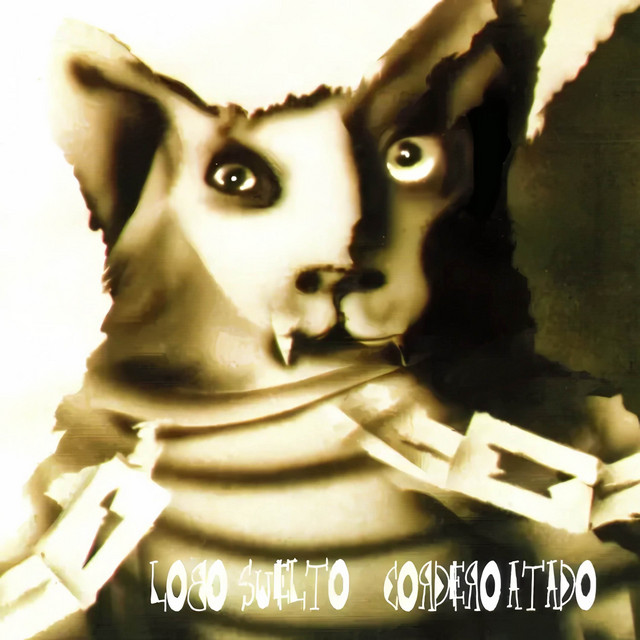
- Lobo Suelto - Cordero Atado
- Genre
- Rock
- Unique visits
- 39
- Generated at
- May 23, 2026
- Updated at
- Aug 18, 2026
Meaning
Main Meaning
itsMong interpretation
The lyrics unfold a stark confrontation with solitude, where the speaker acknowledges their past sufferings and the weight of their current existence. Lines like 'Tu esqueleto te trajo hasta aquí' (Your skeleton brought you here) evoke a sense of being trapped in one's own body, haunted by memories.
There's a tension between the desire to escape this loneliness and the acceptance of its presence, as illustrated by 'Ángel de la soledad' (Angel of solitude), suggesting a complex relationship with despair. The repeated call to dance, even amidst desolation, reflects a defiant spirit, urging the listener to find joy in the midst of suffering.
This duality—where hope and despair coexist—creates a rich emotional landscape that resonates deeply.
Title Analysis
The title 'Un Ángel para Tu Soledad' (An Angel for Your Loneliness) suggests a guardian figure that embodies both comfort and sorrow.
It frames solitude not just as an absence but as something that can be personified, hinting at the complexity of dealing with loneliness.
Deeper Insight
The song captures a profound contradiction: the desire to escape loneliness while simultaneously embracing it as a part of life.
The dance motif serves as a metaphor for navigating through pain, highlighting the complexity of human emotions where despair can coexist with moments of joy.
This duality reveals a deeper truth about the human experience—accepting solitude can sometimes lead to unexpected resilience.
Emotional Impact
Listeners may feel a mix of melancholy and empowerment, as the song navigates the depths of loneliness while encouraging movement and life.
Song Takeaway
Embracing the complexities of loneliness can lead to unexpected strength.
Finding ways to dance through pain, even when it feels overwhelming, can transform sorrow into resilience. The acknowledgment of one's struggles is a powerful step toward healing.
Key Lines
"Ya sufriste cosas mejores que estas"
Translation"You've suffered through better things than this"
InterpretationThis line acknowledges past hardships, setting a tone of resignation and reflection on the weight of experience.
"Con un cuerpo hambriento, veloz"
Translation"With a hungry, swift body"
InterpretationHere, the imagery of a 'hungry body' suggests a yearning for more than just physical sustenance, hinting at emotional and spiritual needs.
"Ángel de la soledad"
Translation"Angel of solitude"
InterpretationThe recurring mention of the 'Angel of solitude' personifies loneliness, transforming it into a companion that both torments and comforts.
"Preso de tu ilusión vas a bailar"
Translation"Prisoner of your illusion, you'll dance"
InterpretationThis line conveys the paradox of being trapped by one's own dreams yet still finding a way to dance, symbolizing resilience.
"Alguna vez, quizás, se te va la mano"
Translation"Maybe someday, you might lose control"
InterpretationSuggesting a moment of losing control, this line reflects the unpredictability of emotions and the potential for self-destruction.
"Y las llamas en pena invaden tu cuerpo"
Translation"And the flames in anguish invade your body"
InterpretationThe imagery of flames invading the body evokes intense emotional pain, illustrating the struggle with inner demons.
"Por mis penas bailá"
Translation"Dance for my sorrows"
InterpretationThe call to dance for one's sorrows emphasizes the cathartic power of movement, suggesting that embracing pain can lead to release.
Explore a question
What does the title add?
The title 'Un Ángel para Tu Soledad' (An Angel for Your Loneliness) suggests a guardian figure that embodies both comfort and sorrow. It frames solitude not just as an absence but as something that can be personified, hinting at the complexity of dealing with loneliness.
What does this key detail suggest?
Ya sufriste cosas mejores que estas
This line acknowledges past hardships, setting a tone of resignation and reflection on the weight of experience.
What deeper tension appears?
The song captures a profound contradiction: the desire to escape loneliness while simultaneously embracing it as a part of life. The dance motif serves as a metaphor for navigating through pain, highlighting the complexity of human emotions where despair can coexist with moments of joy. This duality reveals a deeper truth about the human experience—accepting solitude can sometimes lead to unexpected resilience.
Public Perception
Listeners often connect deeply with the themes of loneliness and resilience, finding solace in the acknowledgment of shared struggles.
The song's call to dance amidst sorrow resonates as a form of empowerment.
Song insights
Emotion Profile
A reading of the song's emotional signals, derived from its saved interpretation.
Emotional intensityHigh
The lyrics evoke strong feelings of isolation and longing.
VulnerabilityHigh
The song openly addresses personal struggles with loneliness.
PrideModerate
There is a sense of resilience in facing despair.
Emotional dependencyModerate
The relationship with solitude suggests a complex emotional reliance.
Levels describe how strongly a signal appears in this reading of the song; they do not measure the listener.
Mong DNA
Recurring themes and motifs identified in the saved interpretation.
Meaning worlds
Loading...
Loading...
Explore more music
Patricio Rey y sus Redonditos de Ricota · Artist profile and albums
More by Patricio Rey y sus Redonditos de Ricota
- Me Matan Limón! — Patricio Rey y sus Redonditos de Ricota
- Yo Caníbal — Patricio Rey y sus Redonditos de Ricota
- La Bestia Pop — Patricio Rey y sus Redonditos de Ricota
- Motor Psico — Patricio Rey y sus Redonditos de Ricota
- Semen-Up — Patricio Rey y sus Redonditos de Ricota
- Queso Ruso — Patricio Rey y sus Redonditos de Ricota
Comments & reviews
What moved you? Share your take on the lyrics, the sound or a moment this song reminds you of.
Sign in to comment.
Start the conversation. What would you tell someone hearing this song for the first time?
Rate this song
Lyrics
Optional — choose one to five stars.
Instrumental
Optional — choose one to five stars.
Emotional impact
Optional — choose one to five stars.
Overall
Optional — choose one to five stars.
Community rating