Loading song
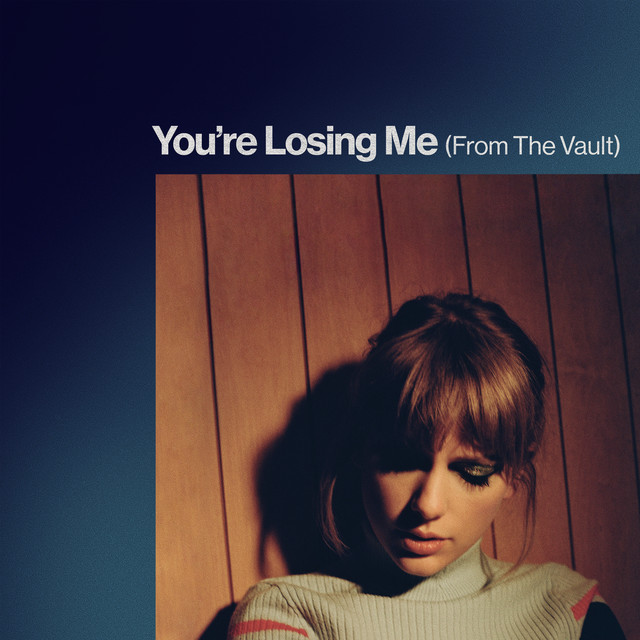
Song preview
Listen on


Quick Meaning
In 'You’re Losing Me (From The Vault),' Taylor Swift explores the painful realization of a relationship in decline, marked by emotional distance and unreciprocated feelings. The lyrics convey a sense of desperation and longing as the speaker grapples with the potential loss of love.
- heartbreak
- longing
- despair
- regret
Metadata
- Year
- 2023
- Album
- You're Losing Me (From The Vault) - Single
- Genre
- Pop
- Unique visits
- 1
- Generated at
- Oct 17, 2026
- Updated at
- Oct 17, 2026
Meaning
Main Meaning
itsMong interpretation
The song captures a moment of emotional crisis, where the speaker confronts their partner's inability to recognize the deterioration of their relationship.
Lines like 'I can't find a pulse / My heart won't start anymore' illustrate the depth of despair, while the repeated plea 'Stop, you're losin' me' emphasizes the urgency of the situation.
This tension between hope and resignation creates a poignant narrative of love slipping away.
Title Analysis
'You’re Losing Me' reflects the central theme of the song, which is the gradual loss of connection in a relationship.
The phrase 'losing me' appears throughout the lyrics, underscoring the speaker's feelings of abandonment and emotional detachment.
Deeper Insight
The song presents a dual reading of loss: both the literal loss of a relationship and the metaphorical loss of self within it.
The speaker's struggle to maintain their identity while feeling neglected creates a poignant tension throughout the lyrics.
Emotional Impact
Listeners may resonate with the feelings of heartbreak and longing, reflecting on their own experiences of love and loss.
Song Takeaway
The song serves as a reminder of the importance of communication and awareness in relationships, highlighting how neglect can lead to emotional disconnection.
Key Lines
"You say, "I don't understand, " and I say, "I know you don't""
This exchange highlights a disconnect between the partners, emphasizing the speaker's awareness of their partner's emotional unavailability.
"Now, I just sit in the dark and wonder if it's time"
The imagery of darkness symbolizes despair and uncertainty about the future of the relationship.
"Do I throw out everything we built or keep it?"
This line captures the internal conflict of deciding whether to salvage the relationship or let go of the past.
"I'm getting tired even for a phoenix"
The phoenix metaphor suggests exhaustion from constantly trying to revive the relationship despite its challenges.
"How can you say that you love someone you can't tell is dying?"
This rhetorical question underscores the speaker's frustration with their partner's lack of awareness regarding their emotional state.
"You don't know what you got until it's gone"
This common saying reflects the theme of regret and realization that often accompanies loss.
"I gave you all my best me's, my endless empathy"
This line illustrates the speaker's selflessness and the emotional labor invested in the relationship.
"I'm the best thing at this party"
This assertion reveals the speaker's self-worth and the desire for recognition and appreciation from their partner.
"Do something, babe, say something"
The plea for action signifies the speaker's desperation for their partner to acknowledge the situation and take responsibility.
"Unless you're choosin' me"
This line encapsulates the crux of the relationship's tension: the need for mutual commitment and choice.
Explore a question
What does the title add?
'You’re Losing Me' reflects the central theme of the song, which is the gradual loss of connection in a relationship. The phrase 'losing me' appears throughout the lyrics, underscoring the speaker's feelings of abandonment and emotional detachment.
What does this key detail suggest?
You say, "I don't understand," and I say, "I know you don't"
This exchange highlights a disconnect between the partners, emphasizing the speaker's awareness of their partner's emotional unavailability.
What deeper tension appears?
The song presents a dual reading of loss: both the literal loss of a relationship and the metaphorical loss of self within it. The speaker's struggle to maintain their identity while feeling neglected creates a poignant tension throughout the lyrics.
Song insights
Emotion Profile
A reading of the song's emotional signals, derived from its saved interpretation.
Emotional intensityHigh
Repeated pleas indicate strong emotional distress.
VulnerabilityHigh
The speaker reveals deep feelings of neglect.
PrideModerate
The assertion of self-worth shows some defensive pride.
Emotional dependencyModerate
The speaker's need for acknowledgment reflects dependency.
Levels describe how strongly a signal appears in this reading of the song; they do not measure the listener.
Mong DNA
Recurring themes and motifs identified in the saved interpretation.
What is Mong DNA?Loading...
Loading...
Explore more music
Taylor Swift · Artist profile and albums
Comments & reviews
What moved you? Share your take on the lyrics, the sound or a moment this song reminds you of.
Sign in to comment.
Start the conversation. What would you tell someone hearing this song for the first time?
Rate this song
Lyrics
Optional — choose one to five stars.
Instrumental
Optional — choose one to five stars.
Emotional impact
Optional — choose one to five stars.
Overall
Optional — choose one to five stars.
Community rating