Loading song
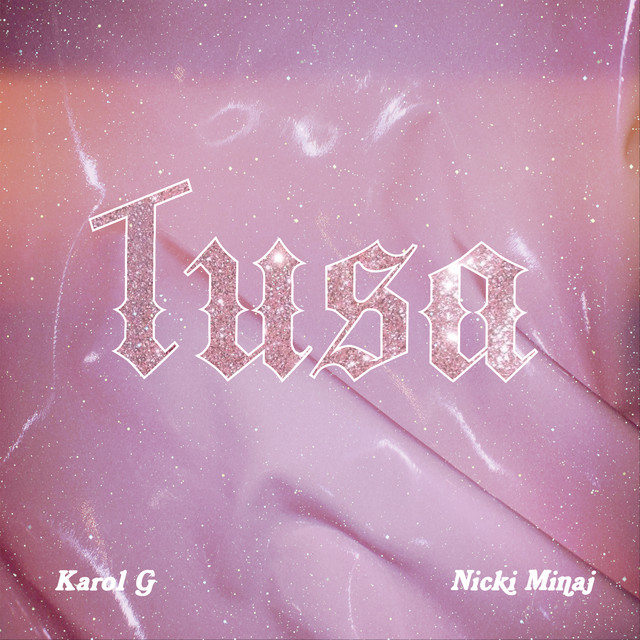
Song preview
Listen on


Quick Meaning
In 'Tusa,' KAROL G and Nicki Minaj explore the complexities of heartbreak and empowerment. The song depicts a woman grappling with the pain of a breakup while simultaneously asserting her newfound strength and independence.
- empowerment
- heartbreak
- resilience
- independence
Metadata
- Year
- 2020
- Album
- Zumbadance Workout 2023
- Genre
- Urbano latino
- Unique visits
- 10
- Generated at
- May 21, 2026
- Updated at
- Oct 03, 2026
Meaning
Main Meaning
itsMong interpretation
In 'Tusa,' the lyrics reveal a woman who is trying to move on from a painful breakup, yet struggles with lingering feelings for her ex.
The line 'Pero hice todo este llanto por nada' highlights her realization that her emotional investment was futile, while the contrasting assertion of empowerment in 'Ahora soy una chica mala' signifies her transformation and newfound independence.
This duality of vulnerability and strength is central to the song's narrative.
Title Analysis
The title 'Tusa' refers to a colloquial term for heartbreak or emotional pain, encapsulating the struggle of moving on from a breakup.
This is reflected in the lyric 'Pero hice todo este llanto por nada,' emphasizing the futility of her sorrow while she seeks empowerment.
Deeper Insight
The song presents a duality where the protagonist grapples with her emotional pain while simultaneously embracing her independence.
This tension reflects a broader theme of empowerment in the face of heartbreak, resonating with listeners who have experienced similar struggles.
Emotional Impact
Listeners may resonate with the song's blend of heartbreak and empowerment, feeling a sense of catharsis as they navigate their own emotional struggles.
Song Takeaway
The narrative encourages listeners to embrace their strength and independence after a breakup, highlighting the importance of self-worth.
Key Lines
"Ya no tiene excusa (no)"
Translation"She no longer has an excuse (no)"
InterpretationThis line indicates a turning point, suggesting that the protagonist is done making excuses for her ex's behavior.
"Pero hice todo este llanto por nada"
Translation"But I cried all this for nothing."
InterpretationHere, she reflects on the futility of her tears, acknowledging that her emotional investment was in vain.
"Ahora soy una chica mala"
Translation"Now I'm a bad girl."
InterpretationThis declaration signifies her empowerment and transformation into a more assertive version of herself.
"Le da una depresión tonta"
Translation"It gives him a silly depression."
InterpretationThis phrase captures the irrational sadness that can accompany memories of a past relationship.
"Fingiendo que a otra se puede amar"
Translation"Pretending that one can love another"
InterpretationThis line suggests that her ex is pretending to move on, highlighting the theme of emotional deceit.
"Se cansó de ser buena, ahora es ella quien los usa (oh-oh)"
Translation"She got tired of being good, now it's her who uses them (oh-oh)"
InterpretationThis reflects a shift in power dynamics, where the woman takes control of her romantic encounters.
"Ya no le copia nada"
Translation"He doesn't copy anything anymore."
InterpretationIndicates her resolve to stop mimicking her ex's behavior and instead focus on her own happiness.
"Ella se cura con rumba (ah)"
Translation"She heals herself with rumba (ah)"
InterpretationThis line suggests that she finds healing and joy through dancing and partying, a common theme in reggaeton.
"To'los hombre' le zumban"
Translation-
InterpretationThis indicates that she is now attracting attention from multiple men, emphasizing her desirability.
"The Queen with The Queen (ah)"
Translation"The Queen with The Queen (ah)"
InterpretationThis collaboration between KAROL G and Nicki Minaj emphasizes female empowerment and solidarity.
Explore a question
What does the title add?
The title 'Tusa' refers to a colloquial term for heartbreak or emotional pain, encapsulating the struggle of moving on from a breakup. This is reflected in the lyric 'Pero hice todo este llanto por nada,' emphasizing the futility of her sorrow while she seeks empowerment.
What does this key detail suggest?
Ya no tiene excusa (no)
This line indicates a turning point, suggesting that the protagonist is done making excuses for her ex's behavior.
What deeper tension appears?
The song presents a duality where the protagonist grapples with her emotional pain while simultaneously embracing her independence. This tension reflects a broader theme of empowerment in the face of heartbreak, resonating with listeners who have experienced similar struggles.
Public Perception
The song has been widely praised for its catchy melody and relatable lyrics, resonating with fans across different demographics.
Song insights
Emotion Profile
A reading of the song's emotional signals, derived from its saved interpretation.
Emotional intensityHigh
Expressed through the pain of heartbreak.
VulnerabilityHigh
Acknowledged in her reflections on the breakup.
PrideVery high
Strongly conveyed in her transformation.
Emotional dependencyModerate
Indicated by her initial attachment to her ex.
Levels describe how strongly a signal appears in this reading of the song; they do not measure the listener.
Mong DNA
Recurring themes and motifs identified in the saved interpretation.
Archetypes
Meaning worlds
Loading...
Loading...
Comments & reviews
What moved you? Share your take on the lyrics, the sound or a moment this song reminds you of.
Sign in to comment.
Start the conversation. What would you tell someone hearing this song for the first time?
Rate this song
Lyrics
Optional — choose one to five stars.
Instrumental
Optional — choose one to five stars.
Emotional impact
Optional — choose one to five stars.
Overall
Optional — choose one to five stars.
Community rating