Loading song
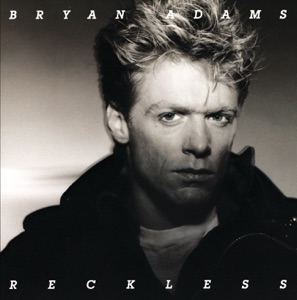
Song preview
Listen on


Quick Meaning
'Summer of '69' captures the nostalgia of youthful dreams and fleeting moments. It reflects on a time of music, love, and the bittersweet nature of growing up.
- nostalgic
- energetic
- reflective
- joyful
Metadata
- Year
- 1983
- Album
- Reckless
- Genre
- Rock
- Unique visits
- 75
- Generated at
- May 05, 2026
- Updated at
- Aug 18, 2026
Meaning
Main Meaning
itsMong interpretation
The song opens with a vivid memory of acquiring a guitar, symbolizing the birth of a passion that defined a generation. As Bryan Adams reminisces about summer adventures and youthful relationships, he captures the essence of a fleeting time when everything felt possible.
The lyrics oscillate between joy and a sense of loss, highlighting how those 'best days' are now just memories.
This tension between nostalgia and the inevitability of change resonates deeply, as the singer reflects on how life continues to evolve, often leaving behind cherished moments.
Title Analysis
'Summer of '69' evokes a specific time and place, but it also hints at deeper meanings.
The title can be interpreted as a nostalgic reference to a pivotal year in music and culture, while some suggest it has a more playful connotation related to youthful experiences.
Deeper Insight
The contrast between the carefree joy of youth and the inevitable passage of time creates a poignant emotional landscape.
As the singer recalls moments filled with music and love, there's an underlying tension of loss, suggesting that while those days were beautiful, they are also irretrievable.
This duality is what makes the song resonate so deeply; it captures not just a celebration of youth but also a recognition of its fleeting nature.
Emotional Impact
Listeners often feel a rush of nostalgia and bittersweet longing when hearing this track, evoking personal memories of their own youth.
Song Takeaway
Reflecting on the past can bring both joy and sorrow, reminding us of the beauty in fleeting moments.
Embracing those memories allows us to appreciate how far we've come, even as we navigate the changes life brings. Ultimately, it's a celebration of youth, love, and the lessons learned along the way.
Key Lines
"I got my first real six-string"
This line signifies the beginning of a musical journey, representing both personal growth and the innocence of youth.
"Those were the best days of my life"
A poignant reflection on nostalgia, this line encapsulates the longing for a simpler, happier time.
"I spent my evenings down at the drive-in"
The drive-in symbolizes youthful escapism and carefree moments shared with friends and loved ones.
"Oh, and when you held my hand"
This moment captures the thrill of young love, emphasizing the emotional intensity of those fleeting connections.
"Man, we were killin' time"
This phrase reflects a sense of rebellion and the carefree nature of youth, suggesting that time felt abundant and unhurried.
"I guess nothing can last forever"
A bittersweet acknowledgment of life's transience, this line contrasts the joy of memories with the reality of change.
"And now the times are changin'"
This line signals a shift from nostalgia to acceptance, recognizing that life is constantly evolving.
"Sometimes when I play that old six-string"
Playing the guitar serves as a trigger for memories, linking the past with the present and underscoring the song's reflective tone.
"You told me that you'd wait forever"
This line highlights the idealism of youth, where promises felt eternal, contrasting with the reality of life's unpredictability.
"Back in the summer of '69"
This repeated line anchors the song in a specific time, reinforcing the theme of nostalgia and the longing for those carefree days.
Explore a question
What does the title add?
'Summer of '69' evokes a specific time and place, but it also hints at deeper meanings. The title can be interpreted as a nostalgic reference to a pivotal year in music and culture, while some suggest it has a more playful connotation related to youthful experiences.
What does this key detail suggest?
I got my first real six-string
This line signifies the beginning of a musical journey, representing both personal growth and the innocence of youth.
What deeper tension appears?
The contrast between the carefree joy of youth and the inevitable passage of time creates a poignant emotional landscape. As the singer recalls moments filled with music and love, there's an underlying tension of loss, suggesting that while those days were beautiful, they are also irretrievable. This duality is what makes the song resonate so deeply; it captures not just a celebration of youth but also a recognition of its fleeting nature.
Public Perception
Listeners often perceive "Summer of '69" as a nostalgic anthem that captures the essence of youthful joy and carefree summer days, resonating with those who reflect on their own formative experiences.
The song's upbeat melody and lyrics evoke a sense of longing for simpler times, allowing audiences to connect with their memories of friendship and adventure.
Song insights
Emotion Profile
A reading of the song's emotional signals, derived from its saved interpretation.
Emotional intensityHigh
The song evokes strong feelings of nostalgia and youthful joy.
VulnerabilityHigh
There’s a sense of loss intertwined with the memories being recalled.
PrideModerate
The narrator reflects on personal achievements and experiences from youth.
Emotional dependencyModerate
Listeners may feel a strong attachment to their own memories of youth.
Levels describe how strongly a signal appears in this reading of the song; they do not measure the listener.
Mong DNA
Recurring themes and motifs identified in the saved interpretation.
What is Mong DNA?Loading...
Loading...
Comments & reviews
What moved you? Share your take on the lyrics, the sound or a moment this song reminds you of.
Sign in to comment.
Start the conversation. What would you tell someone hearing this song for the first time?
Rate this song
Lyrics
Optional — choose one to five stars.
Instrumental
Optional — choose one to five stars.
Emotional impact
Optional — choose one to five stars.
Overall
Optional — choose one to five stars.
Community rating