Loading song
Song preview
Listen on


Quick Meaning
In 'Army Dreamers,' Kate Bush poignantly explores the devastating impact of war through the eyes of a grieving mother mourning her son, who has died in military service. The song captures the loss of potential and dreams, highlighting the tragic consequences of conflict.
- grief
- loss
- nostalgia
- sorrow
Metadata
- Year
- 1980
- Album
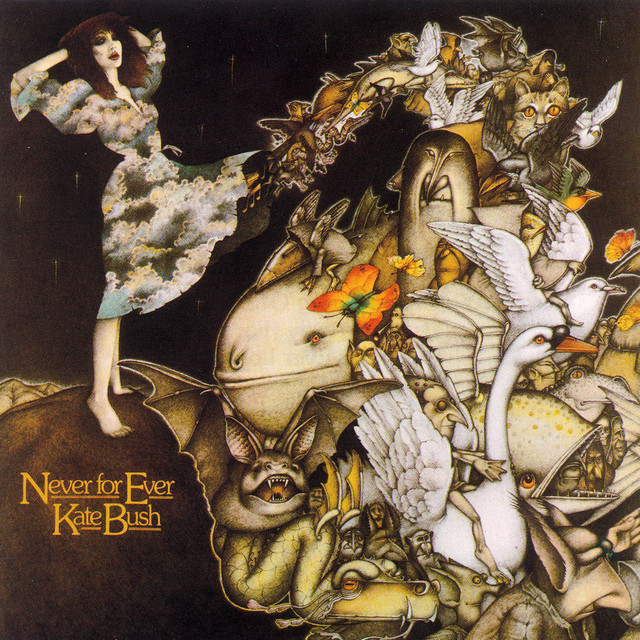
- Never for Ever
- Genre
- Pop
- Unique visits
- 20
- Generated at
- Sep 27, 2026
- Updated at
- Oct 17, 2026
Meaning
Main Meaning
itsMong interpretation
In 'Army Dreamers,' Kate Bush presents a heart-wrenching narrative of a mother mourning her son, who has died in military service. The lyrics reflect on lost potential, as she laments that he could have been a rock star, politician, or father, but instead, his life was cut short.
The repeated questioning of 'What could he do?'
emphasizes the tragedy of unrealized dreams and the senselessness of war, creating a poignant critique of military life and its consequences.
Title Analysis
'Army Dreamers' refers to the young soldiers whose lives and aspirations are tragically cut short by war.
The phrase evokes both the idealism of youth and the harsh realities of military service, as seen in the lyric, 'What a waste.'
This duality underscores the song's emotional depth and critique of the glorification of war.
Deeper Insight
The song's exploration of lost potential can be read as a critique of societal expectations placed on young men, who are often pushed towards military service without considering their dreams.
The repeated questioning of 'What could he do?'
serves to highlight the tragic irony of a life cut short, leaving listeners to reflect on the broader implications of war.
Emotional Impact
Listeners may feel a profound sense of sorrow and reflection on the costs of war, as the song evokes the pain of loss and the futility of dreams unfulfilled.
Song Takeaway
The song serves as a reminder of the human cost of war and the importance of recognizing the dreams and potential of young lives.
Key Lines
"Our little army boy is coming home from B.F.P.O."
This line introduces the central figure, a young soldier returning home, setting the stage for the mother's grief.
"Mourning in the aerodrome, the weather warmer, he is colder."
The contrast between the warm weather and the coldness of death highlights the emotional disconnect and sorrow of the mother.
"What could he do? Should have been a rock star."
This line reflects the mother's lament for her son's lost potential, suggesting he could have achieved greatness outside of war.
"But he never had a proper education."
This line critiques the systemic issues that limit opportunities for young men, contributing to their enlistment in the military.
"What a waste."
A powerful refrain that encapsulates the song's theme of lost dreams and the tragic consequences of war.
"He might as well have buttons and bows."
This metaphor suggests that the soldier's death renders his military honors meaningless, emphasizing the futility of war.
Explore a question
What does the title add?
'Army Dreamers' refers to the young soldiers whose lives and aspirations are tragically cut short by war. The phrase evokes both the idealism of youth and the harsh realities of military service, as seen in the lyric, 'What a waste.' This duality underscores the song's emotional depth and critique of the glorification of war.
What does this key detail suggest?
Our little army boy is coming home from B.F.P.O.
This line introduces the central figure, a young soldier returning home, setting the stage for the mother's grief.
What deeper tension appears?
The song's exploration of lost potential can be read as a critique of societal expectations placed on young men, who are often pushed towards military service without considering their dreams. The repeated questioning of 'What could he do?' serves to highlight the tragic irony of a life cut short, leaving listeners to reflect on the broader implications of war.
Public Perception
Listeners and critics have recognized 'Army Dreamers' as a poignant anti-war anthem that remains relevant across generations.
Song insights
Emotion Profile
A reading of the song's emotional signals, derived from its saved interpretation.
Emotional intensityHigh
The mother's grief is palpable throughout the song.
VulnerabilityHigh
The lyrics reveal deep emotional wounds and loss.
PrideLow
There is little sense of pride in the context of loss.
Emotional dependencyModerate
The mother's identity is tied to her son, highlighting her reliance on his memory.
Levels describe how strongly a signal appears in this reading of the song; they do not measure the listener.
Mong DNA
Recurring themes and motifs identified in the saved interpretation.
What is Mong DNA?Loading...
Loading...
Comments & reviews
What moved you? Share your take on the lyrics, the sound or a moment this song reminds you of.
Sign in to comment.
Start the conversation. What would you tell someone hearing this song for the first time?
Rate this song
Lyrics
Optional — choose one to five stars.
Instrumental
Optional — choose one to five stars.
Emotional impact
Optional — choose one to five stars.
Overall
Optional — choose one to five stars.
Community rating