Loading song
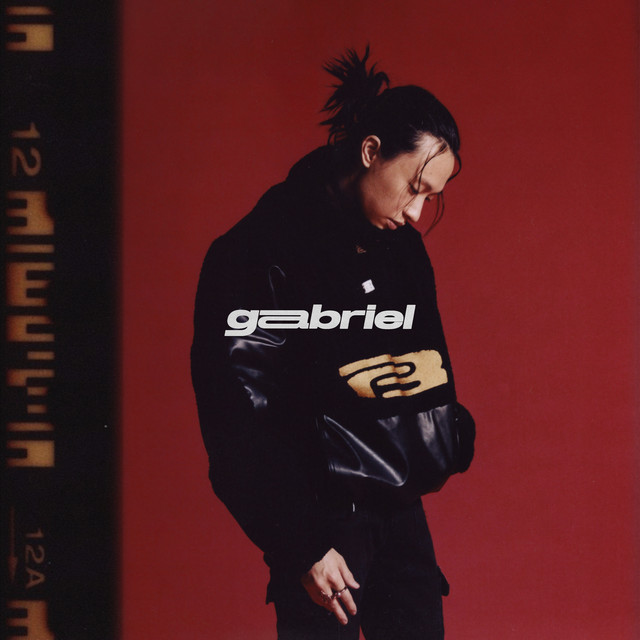
Song preview
Listen on


Quick Meaning
In 'TOUCH,' keshi explores the complexities of physical and emotional attraction, where the allure of the forbidden feels irresistible. The song captures the tension between desire and vulnerability, highlighting a connection that is both confusing and deeply satisfying.
- yearning
- confusion
- vulnerability
- desire
Metadata
- Year
- 2022
- Album
- GABRIEL
- Genre
- Pop
- Unique visits
- 25
- Generated at
- May 19, 2026
- Updated at
- Oct 18, 2026
Meaning
Main Meaning
itsMong interpretation
The lyrics of 'TOUCH' reveal a profound internal conflict between desire and logic, as encapsulated in the line 'wrong, but it feels so right.'
This emotional tug-of-war intensifies as the protagonist feels drawn to someone seemingly unattainable, creating palpable tension.
The longing for intimacy intertwines with insecurity, especially highlighted by the mention of the other person's absence in the morning, suggesting a fleeting connection that is both painful and deeply fulfilling.
Title Analysis
The title 'TOUCH' encapsulates the physical and emotional nuances of intimacy, reflecting the song's exploration of desire and connection.
It resonates with the line 'wrong, but it feels so right,' emphasizing the complexity of attraction that feels both thrilling and precarious.
Deeper Insight
The song oscillates between desire and insecurity, where each 'touch' becomes a reminder of the ephemeral.
The repetition of 'wrong, but it feels so right' resonates as a mantra, emphasizing the protagonist's internal struggle between attraction and fear of loss.
This emotional tug-of-war reveals an uncomfortable truth: sometimes, what we feel can be more powerful than what we know is right.
Emotional Impact
The song evokes a blend of yearning and melancholy, resonating with those who have experienced complicated connections.
Song Takeaway
Sometimes, what seems wrong can offer moments of deep connection.
The pursuit of intimacy can lead us to question our own needs and desires, revealing that love can be both a refuge and a source of pain.
Key Lines
"Wrong, but it feels so right"
This line establishes the central theme of the song: attraction that defies logic and social norms.
"Show me your chest on mine"
Expresses an intense desire for physical closeness, symbolizing the vulnerability that accompanies intimacy.
"If you want me, say you want me"
Reflects the need for clarity and reciprocity in a relationship that feels uncertain and confusing.
"But you don't need to run if you're looking for love"
Suggests that despite doubts, there is a genuine desire for connection, challenging the fear of vulnerability.
"When I wake, you're always missing in the morning"
Highlights the transient nature of their connection, emphasizing feelings of loss and longing.
"It's only a touch, is it better than us to you?"
Questions the depth of their relationship, contrasting physical intimacy with emotional connection.
"Can't talk with your tongue in my mouth"
Illustrates the complexity of communication in intimate moments, where physicality can overshadow genuine connection.
"I knew I never meant much, but it's killing me now"
Expresses deep emotional pain and insecurity, revealing the protagonist's awareness of their precarious position.
Explore a question
What does the title add?
The title 'TOUCH' encapsulates the physical and emotional nuances of intimacy, reflecting the song's exploration of desire and connection. It resonates with the line 'wrong, but it feels so right,' emphasizing the complexity of attraction that feels both thrilling and precarious.
What does this key detail suggest?
Wrong, but it feels so right
This line establishes the central theme of the song: attraction that defies logic and social norms.
What deeper tension appears?
The song oscillates between desire and insecurity, where each 'touch' becomes a reminder of the ephemeral. The repetition of 'wrong, but it feels so right' resonates as a mantra, emphasizing the protagonist's internal struggle between attraction and fear of loss. This emotional tug-of-war reveals an uncomfortable truth: sometimes, what we feel can be more powerful than what we know is right.
Song insights
Emotion Profile
A reading of the song's emotional signals, derived from its saved interpretation.
Emotional intensityHigh
The struggle between desire and reality generates a strong emotional charge.
VulnerabilityHigh
The lyrics express deep insecurities and the desire for connection.
PrideLow
The lack of pride is reflected in the search for validation.
Emotional dependencyModerate
The narrator shows emotional dependence by longing for more than just a touch.
Levels describe how strongly a signal appears in this reading of the song; they do not measure the listener.
Mong DNA
Recurring themes and motifs identified in the saved interpretation.
Archetypes
Meaning worlds
Loading...
Loading...
Comments & reviews
What moved you? Share your take on the lyrics, the sound or a moment this song reminds you of.
Sign in to comment.
Start the conversation. What would you tell someone hearing this song for the first time?
Rate this song
Lyrics
Optional — choose one to five stars.
Instrumental
Optional — choose one to five stars.
Emotional impact
Optional — choose one to five stars.
Overall
Optional — choose one to five stars.
Community rating