Loading song
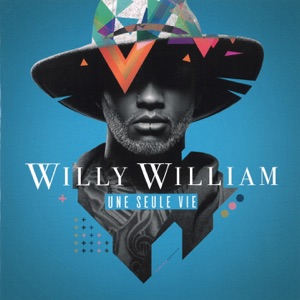
Song preview
Listen on


Quick Meaning
In "Ego," Willy William explores themes of self-perception and vanity through a playful yet introspective lens. The song captures a dialogue with oneself, questioning beauty and identity while grappling with the allure of ego.
- self-reflection
- vanity
- identity
- conflict
Metadata
- Year
- 2015
- Album
- Une seule vie (Collector)
- Genre
- R&B/Soul
- Unique visits
- 1
- Generated at
- Oct 17, 2026
- Updated at
- Oct 17, 2026
Meaning
Main Meaning
itsMong interpretation
Willy William's "Ego" delves into the complexities of self-image and vanity, as illustrated by the lyric "Miroir, Dis-moi qui est le plus beau" (Mirror, tell me who is the most beautiful).
This line sets the stage for a self-reflective dialogue, where the desire for validation clashes with the realization of superficiality.
The repeated call to "Allez, allez, allez" (Come on, come on, come on) underscores a sense of urgency and insistence, revealing the tension between confidence and insecurity as the protagonist grapples with their identity.
Title Analysis
The title "Ego" directly references the theme of self-importance and identity.
It encapsulates the song's exploration of vanity and self-perception, as seen in the lyric "Dis-moi qui est le plus beau" (Tell me who is the most beautiful), which highlights the protagonist's quest for affirmation and the struggle with their inflated sense of self.
Deeper Insight
The song presents a duality in the protagonist's experience, oscillating between moments of self-affirmation and the recognition of superficiality.
The line "Le buzz n' était que factice" reveals a critical awareness of the emptiness of ego-driven validation, suggesting a deeper conflict between self-love and self-deception.
Emotional Impact
Listeners may resonate with the tension between self-confidence and insecurity, reflecting their own struggles with identity and validation.
Song Takeaway
The song illustrates the importance of self-awareness in navigating the complexities of identity and the potential pitfalls of ego.
Key Lines
"Miroir Dis-moi qui est le plus beau"
Translation"Mirror Tell me who's the fairest"
InterpretationThis line initiates a self-reflective dialogue, questioning beauty and self-worth.
"Viens donc chatouiller mon ego"
Translation"Come tickle my ego"
InterpretationHere, the protagonist invites validation, revealing a playful yet serious engagement with their ego.
"Tout est beau, tout est rose"
Translation"Everything's beautiful, everything's rosy"
InterpretationThis phrase suggests an idealized view of self, emphasizing the protagonist's desire to impose their perception of beauty.
"Qu'as donc tu fait de ma tête"
Translation"What have you done to my head"
InterpretationThis line expresses confusion and frustration over changes in self-perception, hinting at a loss of authenticity.
"Le buzz n' était que factice"
Translation"The buzz was just fake"
InterpretationThe acknowledgment of superficiality indicates a moment of clarity about the emptiness of external validation.
"Je ne suis plus dans la matrice"
Translation"I'm no longer in the matrix"
InterpretationThis suggests a breaking free from societal expectations, reflecting a desire for genuine self-identity.
"Je ferai tout pour récupérer"
Translation"I'll do anything to recover"
InterpretationThis line reveals a determination to reclaim one's true self, highlighting the struggle against ego.
"Ego, ego, ego"
Translation"Ego, ego, ego"
InterpretationThe repetition emphasizes the central theme of self-obsession, reinforcing the song's focus on identity.
"Enfin sorti de ma bulle"
Translation"Finally out of my bubble"
InterpretationThis indicates a moment of awakening, suggesting a shift from self-absorption to a more grounded perspective.
"Avant que mon ego s'impose"
Translation"Before my ego takes over"
InterpretationThis line reflects the tension between self-assertion and the risks of ego overshadowing authenticity.
Explore a question
What does the title add?
The title "Ego" directly references the theme of self-importance and identity. It encapsulates the song's exploration of vanity and self-perception, as seen in the lyric "Dis-moi qui est le plus beau" (Tell me who is the most beautiful), which highlights the protagonist's quest for affirmation and the struggle with their inflated sense of self.
What does this key detail suggest?
Miroir, Dis-moi qui est le plus beau
This line initiates a self-reflective dialogue, questioning beauty and self-worth.
What deeper tension appears?
The song presents a duality in the protagonist's experience, oscillating between moments of self-affirmation and the recognition of superficiality. The line "Le buzz n' était que factice" reveals a critical awareness of the emptiness of ego-driven validation, suggesting a deeper conflict between self-love and self-deception.
Song insights
Emotion Profile
A reading of the song's emotional signals, derived from its saved interpretation.
Emotional intensityHigh
Repeated calls to action create urgency.
VulnerabilityModerate
Expressions of confusion reveal inner conflict.
PrideModerate
Protagonist's insistence on beauty shows self-importance.
Emotional dependencyModerate
Desire for validation indicates reliance on external affirmation.
Levels describe how strongly a signal appears in this reading of the song; they do not measure the listener.
Mong DNA
Recurring themes and motifs identified in the saved interpretation.
What is Mong DNA?Loading...
Loading...
Comments & reviews
What moved you? Share your take on the lyrics, the sound or a moment this song reminds you of.
Sign in to comment.
Start the conversation. What would you tell someone hearing this song for the first time?
Rate this song
Lyrics
Optional — choose one to five stars.
Instrumental
Optional — choose one to five stars.
Emotional impact
Optional — choose one to five stars.
Overall
Optional — choose one to five stars.
Community rating