Loading song
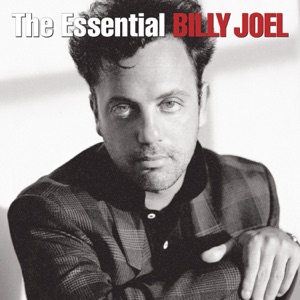
Song preview
Listen on


Quick Meaning
Billy Joel's song "The Entertainer" reflects on the fleeting nature of fame and the pressures faced by musicians to maintain their popularity. The lyrics convey a sense of cynicism about the entertainment industry and the audience's fickle tastes.
- uplifting
- nostalgic
- playful
- reflective
Metadata
- Year
- 1974
- Album
- The Essential Billy Joel
- Genre
- Pop
- Unique visits
- 95
- Generated at
- May 05, 2026
- Updated at
- Oct 02, 2026
Meaning
Main Meaning
itsMong interpretation
In "The Entertainer," Billy Joel explores the pressures of fame and the music industry, revealing a cynical perspective on how quickly audiences can forget an artist.
The lines "But I know the game, you'll forget my name" and "If I don't stay on the charts" emphasize the precariousness of success and the constant need for validation in the entertainment world.
Title Analysis
The title "The Entertainer" refers to the role of a performer who captivates an audience.
It connects to the lyric "I am the entertainer," which underscores the performer's awareness of their transient status in the public eye and the demands placed upon them.
Deeper Insight
The song presents a duality in its message: while it celebrates the joys of performing, it also critiques the harsh realities of the entertainment industry.
The tension between artistic expression and commercial success is evident in lines that reflect both pride in the craft and the anxiety of maintaining relevance.
Emotional Impact
Listeners may resonate with the song's themes of fleeting success and the pressures of performance, reflecting on their own experiences with recognition and the fear of being forgotten.
Song Takeaway
The song teaches that success in any field can be fleeting, and it is essential to remain grounded and aware of the transient nature of fame.
Key Lines
"I am the entertainer"
This line establishes the speaker's identity as a performer, setting the tone for the exploration of fame and its challenges.
"But I know the game, you'll forget my name"
Here, the speaker acknowledges the fleeting nature of fame and the inevitability of being forgotten by the audience.
"I may have won your hearts"
This suggests a temporary connection with the audience, highlighting the superficiality of their affection.
"I got to meet expenses"
This line reflects the financial pressures entertainers face, emphasizing that their art is also a means of survival.
"It took me years to write it"
This conveys the effort and time invested in creating music, contrasting with the industry's demand for brevity and commercial viability.
"If you're gonna have a hit you gotta make it fit"
This line underscores the necessity for artists to conform to industry standards to achieve success.
"I'll get put in the back in the discount rack"
This metaphor illustrates the fear of becoming irrelevant and being discarded once popularity wanes.
"Ah, but what the hell? You know it's just as well'"
This line reflects a resigned attitude towards the inevitable ups and downs of an entertainer's career.
"I bring to you my songs"
This emphasizes the performer's role in sharing their art with the audience, despite the pressures they face.
"I've played all kinds of palaces"
This line highlights the diverse venues and experiences of the entertainer, suggesting a broad but superficial journey.
Explore a question
What does the title add?
The title "The Entertainer" refers to the role of a performer who captivates an audience. It connects to the lyric "I am the entertainer," which underscores the performer's awareness of their transient status in the public eye and the demands placed upon them.
What does this key detail suggest?
I am the entertainer
This line establishes the speaker's identity as a performer, setting the tone for the exploration of fame and its challenges.
What deeper tension appears?
The song presents a duality in its message: while it celebrates the joys of performing, it also critiques the harsh realities of the entertainment industry. The tension between artistic expression and commercial success is evident in lines that reflect both pride in the craft and the anxiety of maintaining relevance.
Song insights
Emotion Profile
A reading of the song's emotional signals, derived from its saved interpretation.
Emotional intensityHigh
The urgency of maintaining fame is palpable.
VulnerabilityHigh
The fear of being forgotten reveals deep insecurity.
PrideModerate
There is a sense of accomplishment in the performance.
Emotional dependencyModerate
The need for audience approval indicates reliance on external validation.
Levels describe how strongly a signal appears in this reading of the song; they do not measure the listener.
Mong DNA
Recurring themes and motifs identified in the saved interpretation.
What is Mong DNA?Loading...
Loading...
Explore more music
Billy Joel · Artist profile and albums
Comments & reviews
What moved you? Share your take on the lyrics, the sound or a moment this song reminds you of.
Sign in to comment.
Start the conversation. What would you tell someone hearing this song for the first time?
Rate this song
Lyrics
Optional — choose one to five stars.
Instrumental
Optional — choose one to five stars.
Emotional impact
Optional — choose one to five stars.
Overall
Optional — choose one to five stars.
Community rating