Loading song
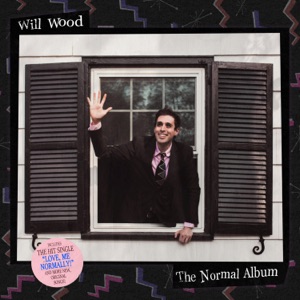
Song preview
Listen on


Quick Meaning
In 'Laplace’s Angel (Hurt People? Hurt People! )', Will Wood explores existential themes through vivid imagery and introspective questioning. The song grapples with the nature of morality and the human condition, suggesting that our perceptions of good and evil are often shaped by circumstance.
Metadata
- Year
- 2020
- Album
- The Normal Album
- Genre
- Singer/Songwriter
- Unique visits
- 6
- Generated at
- Nov 15, 2026
- Updated at
- Nov 15, 2026
Meaning
Main Meaning
itsMong interpretation
The song opens with a haunting question about the nature of existence, asking if one has ever felt the weight of the world like Atlas, only to collapse under its pressure.
This imagery reflects a struggle with personal identity and morality, as Wood questions whether he is inherently 'bad' or shaped by his experiences.
The repeated refrain emphasizes a desire for understanding and connection, suggesting that if others were in his position, they might act similarly, blurring the lines between right and wrong.
Title Analysis
'Laplace’s Angel' refers to a philosophical concept, hinting at the complexities of fate and free will.
The lyric, 'the difference twixt fate and free will is whether you're singing,' underscores the tension between predetermined paths and personal choices, illustrating how our actions are influenced by external factors.
Deeper Insight
The song's exploration of morality suggests a possible double meaning: while it critiques societal norms, it also reflects a personal struggle with identity.
The line 'the difference twixt fate and free will is whether you're singing' implies that self-awareness and expression can influence one's moral choices.
Emotional Impact
Listeners may resonate with the song's introspective nature, feeling a mix of empathy and discomfort as they confront their own moral dilemmas.
Song Takeaway
The song encourages reflection on personal responsibility and the complexities of human behavior,
suggesting that understanding and compassion are vital in navigating moral challenges.
Key Lines
"Have you ever died in a nightmare?"
This line introduces a surreal exploration of fear and existential dread.
"Have you ever felt like Atlas, threw your back out on the axis"
The reference to Atlas symbolizes the burden of responsibility and the struggle to maintain balance in life.
"Am I bad, am I bad, am I bad, am I really that bad?"
This repeated questioning reflects deep self-doubt and the search for moral clarity.
"We're only tuning to the tone of the bell curve now"
This suggests conformity to societal norms, questioning the nature of individuality.
"It doesn't take a killer to murder"
This line implies that moral transgressions can occur without overt violence, highlighting the complexity of human actions.
"The only ones in need of love are those who don't receive enough"
This insight suggests that compassion is essential for healing and understanding human behavior.
"If you were in my shoes, you'd walk the same damn miles I do"
This line emphasizes empathy, suggesting that circumstances shape actions and moral judgments.
"You could put it on the other foot, it's the same size"
This metaphor reinforces the idea that everyone shares similar struggles, regardless of their moral standing.
"Man no more than animal is made of moral chemicals"
This line blurs the line between human and animal instincts, questioning the nature of morality.
"Whatever you think of me, if the shoe fits, would you walk that mile?"
This rhetorical question challenges listeners to reflect on their judgments and assumptions about others.
Explore a question
What does the title add?
'Laplace’s Angel' refers to a philosophical concept, hinting at the complexities of fate and free will. The lyric, 'the difference twixt fate and free will is whether you're singing,' underscores the tension between predetermined paths and personal choices, illustrating how our actions are influenced by external factors.
What does this key detail suggest?
Have you ever died in a nightmare?
This line introduces a surreal exploration of fear and existential dread.
What deeper tension appears?
The song's exploration of morality suggests a possible double meaning: while it critiques societal norms, it also reflects a personal struggle with identity. The line 'the difference twixt fate and free will is whether you're singing' implies that self-awareness and expression can influence one's moral choices.
Song insights
Emotion Profile
A reading of the song's emotional signals, derived from its saved interpretation.
Emotional intensityHigh
The urgency in questioning one's morality.
VulnerabilityHigh
Expresses deep self-doubt and need for understanding.
PrideModerate
Struggles with self-perception and moral standing.
Emotional dependencyModerate
Relies on external validation for self-worth.
Levels describe how strongly a signal appears in this reading of the song; they do not measure the listener.
Mong DNA
Recurring themes and motifs identified in the saved interpretation.
Meaning worlds
Loading...
Loading...
Comments & reviews
What moved you? Share your take on the lyrics, the sound or a moment this song reminds you of.
Sign in to comment.
Start the conversation. What would you tell someone hearing this song for the first time?
Rate this song
Lyrics
Optional — choose one to five stars.
Instrumental
Optional — choose one to five stars.
Emotional impact
Optional — choose one to five stars.
Overall
Optional — choose one to five stars.
Community rating