Loading song
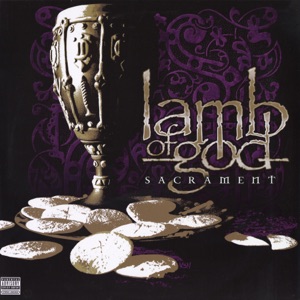
Song preview
Listen on


Quick Meaning
'Blacken the Cursed Sun' expresses a struggle against despair and self-loathing, culminating in a fierce rejection of weakness. The song's heavy instrumentation amplifies the emotional turmoil within its dark themes.
- despair
- defiance
- existential crisis
- self-loathing
Metadata
- Year
- 2006
- Album
- Sacrament (15th Anniversary Edition)
- Genre
- Metal
- Unique visits
- 33
- Generated at
- Jul 01, 2026
- Updated at
- Aug 05, 2026
Meaning
Main Meaning
itsMong interpretation
The song opens with a stark confrontation of inner demons, as the narrator grapples with feelings of worthlessness and self-hatred. Lines like 'I will kill this part of myself that I hate and that I see in you' reveal a deep-seated conflict, where the singer acknowledges a painful reflection in others.
This emotional battle is underscored by the relentless, aggressive instrumentation typical of Lamb of God's style, creating an atmosphere of chaos and urgency. The repeated refrain 'Blacken the cursed sun' suggests a desire to obliterate hope, reflecting a bleak outlook on redemption and existence.
Ultimately, the song encapsulates a struggle against despair while hinting at the possibility of confronting one's darkest parts.
Title Analysis
The title 'Blacken the Cursed Sun' evokes a powerful image of extinguishing light and hope, suggesting a deliberate choice to embrace darkness.
It symbolizes the internal conflict and despair that the narrator faces, making the title a fitting representation of the overall theme.
Deeper Insight
The tension between fighting against one's own darkness and the acceptance of despair creates a compelling emotional landscape.
The repeated questioning of salvation and reality reveals a profound existential crisis, where the narrator grapples with the futility of their situation.
This internal conflict is mirrored by the aggressive soundscape, which amplifies the sense of urgency and desperation.
Emotional Impact
Listeners may feel a visceral connection to the themes of struggle and defiance, resonating with the raw honesty of the lyrics.
Song Takeaway
This song illustrates the harsh reality of confronting one's inner demons, emphasizing the importance of facing pain rather than avoiding it.
It reflects the idea that true strength comes from acknowledging and battling one's flaws, even when the outcome seems bleak.
Key Lines
"Seize the darkened day, there's only hell to pay"
This line sets a tone of urgency and inevitability, emphasizing the consequences of inaction and despair.
"Blacken the cursed sun"
This refrain encapsulates the desire to erase hope and light, reflecting a deep emotional struggle.
"You're not the only one To have sunk so far and low"
It acknowledges shared suffering, creating a sense of solidarity in despair among those who feel lost.
"I will kill this part of myself that I hate and that I see in you"
This line reveals the narrator's confrontation with their own flaws, indicating a desire for transformation.
"There is no tomorrow"
This stark declaration underscores a sense of hopelessness, suggesting a finality to the narrator's struggle.
"Better to die quick Fighting on your feet"
Here, the narrator expresses a preference for a fierce end over a prolonged existence filled with shame, highlighting their defiance.
"Can we still be saved? (Hell no!)"
This rhetorical question and its emphatic response convey a deep sense of resignation and despair regarding redemption.
"Is any of this even real? Hell no!"
This line questions the very nature of existence, reflecting a profound disillusionment with life and reality.
"Sanctity a breath away"
The juxtaposition of sanctity and the struggle for breath suggests a fragile balance between hope and despair.
"I choose not to feel a thing"
This line illustrates a defensive mechanism against pain, revealing the narrator's desire to numb their emotions.
Explore a question
What does the title add?
The title 'Blacken the Cursed Sun' evokes a powerful image of extinguishing light and hope, suggesting a deliberate choice to embrace darkness. It symbolizes the internal conflict and despair that the narrator faces, making the title a fitting representation of the overall theme.
What does this key detail suggest?
Seize the darkened day, there's only hell to pay
This line sets a tone of urgency and inevitability, emphasizing the consequences of inaction and despair.
What deeper tension appears?
The tension between fighting against one's own darkness and the acceptance of despair creates a compelling emotional landscape. The repeated questioning of salvation and reality reveals a profound existential crisis, where the narrator grapples with the futility of their situation. This internal conflict is mirrored by the aggressive soundscape, which amplifies the sense of urgency and desperation.
Public Perception
Listeners often interpret this song as a cathartic expression of inner turmoil and struggle against despair.
Song insights
Emotion Profile
A reading of the song's emotional signals, derived from its saved interpretation.
Emotional intensityVery high
The aggressive sound and raw lyrics create a powerful emotional experience.
VulnerabilityHigh
The narrator's admission of self-hatred reveals deep emotional exposure.
PrideModerate
The defiance against despair reflects a complex relationship with pride.
Emotional dependencyHigh
The struggle with self-worth indicates a significant emotional reliance on external validation.
Levels describe how strongly a signal appears in this reading of the song; they do not measure the listener.
Mong DNA
Recurring themes and motifs identified in the saved interpretation.
What is Mong DNA?
Loading...
Loading...
Comments & reviews
What moved you? Share your take on the lyrics, the sound or a moment this song reminds you of.
Sign in to comment.
Start the conversation. What would you tell someone hearing this song for the first time?
Rate this song
Lyrics
Optional — choose one to five stars.
Instrumental
Optional — choose one to five stars.
Emotional impact
Optional — choose one to five stars.
Overall
Optional — choose one to five stars.
Community rating