Loading song
Song preview
Listen on


Quick Meaning
'Someone Else's Problem' captures the hypocrisy of social indifference amidst personal struggles. The song's biting commentary reveals how people often ignore systemic issues while focusing on their own lives.
- guilt
- reflection
- social awareness
- somber and reflective
Metadata
- Year
- 2020
- Album
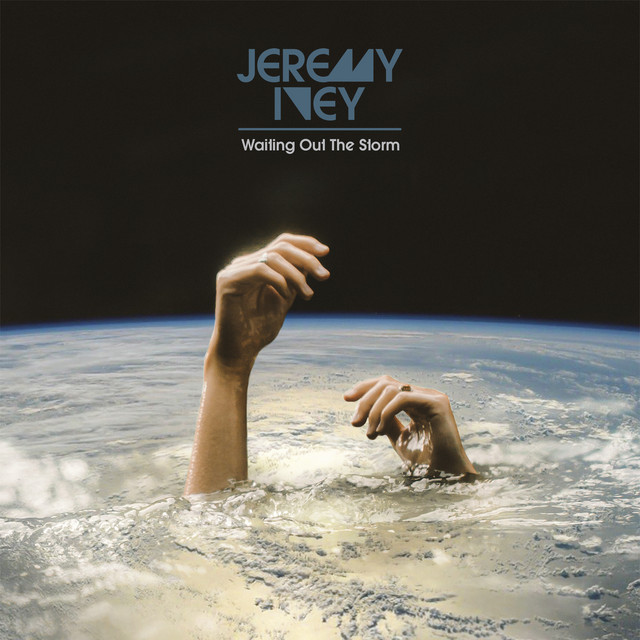
- Waiting out the Storm
- Genre
- Americana
- Unique visits
- 3
- Generated at
- May 31, 2026
- Updated at
- May 31, 2026
Meaning
Main Meaning
itsMong interpretation
The song unfolds a narrative of a person who grapples with the weight of societal issues while remaining ensconced in their own bubble. Lyrics like 'the world is getting smaller, and you've got no place to stand' reflect an awareness of the encroaching problems, yet there's a palpable reluctance to engage.
This tension between wanting to help and the comfort of inaction is starkly illustrated when the narrator acknowledges their own financial constraints while lamenting the plight of others.
The refrain 'it ain't your problem' resonates as a chilling reminder of how easily empathy can be sidelined in favor of self-preservation, revealing a broader critique of societal apathy.
Title Analysis
The title 'Someone Else's Problem' encapsulates the theme of avoidance and denial, suggesting a societal tendency to distance oneself from the struggles of others.
It implies a shared responsibility that is often shirked in favor of personal comfort.
Deeper Insight
The song's structure mirrors the internal conflict between personal obligation and societal neglect, creating a poignant commentary on modern complacency.
The repetition of 'it ain't your problem' serves as both a critique and a reflection of the listener's potential complicity in systemic injustices.
This tension reveals an uncomfortable truth: the ease of turning a blind eye can often be a privilege in itself.
Emotional Impact
Listeners may feel a mix of guilt and reflection as they confront their own complicity in societal issues.
Song Takeaway
The song invites listeners to confront the uncomfortable truth that personal comfort often comes at the expense of others' suffering.
It suggests that true empathy requires action, not just acknowledgment, challenging us to reflect on our own roles in societal issues.
Key Lines
"You say the world is getting smaller, and you've got no place to stand"
This line introduces a sense of urgency about global issues while hinting at the narrator's feeling of helplessness.
"But you hug your children close when you pass the place they sleep"
Here, the juxtaposition of personal safety against public suffering underscores a common instinct to protect one's own while ignoring the broader community.
"You've got deadlines and dues, you know the truth it ain't that funny"
This reflects the everyday pressures that distract from larger societal issues, highlighting the struggle to balance personal responsibilities with moral awareness.
"It's a shame that there's a ladder, such a shame they're at the bottom"
This line critiques social hierarchy, revealing a recognition of inequality but also a resignation to its existence.
"Now you're working forty hours, it's too late to change your name"
The sense of entrapment in a monotonous life reflects how systemic issues can feel insurmountable, leading to apathy.
"Before your kids go to war, they're killed in school instead"
This stark imagery connects personal loss with broader societal violence, emphasizing the tragic consequences of neglecting social issues.
"Forget his mama's pain, 'cause it ain't your problem"
This line starkly illustrates the emotional detachment that can accompany privilege, highlighting how personal comfort often overshadows communal grief.
"And all the holy wars, you know the dead already fought' em"
Referencing historical conflicts, this line suggests a cyclical nature of violence and indifference, reinforcing the futility of ignoring these issues.
"There's really no such thing as someone else's problem"
This concluding thought challenges the listener to reconsider the notion of separation from societal issues, urging a sense of shared responsibility.
Explore a question
What does the title add?
The title 'Someone Else's Problem' encapsulates the theme of avoidance and denial, suggesting a societal tendency to distance oneself from the struggles of others. It implies a shared responsibility that is often shirked in favor of personal comfort.
What does this key detail suggest?
You say the world is getting smaller, and you've got no place to stand
This line introduces a sense of urgency about global issues while hinting at the narrator's feeling of helplessness.
What deeper tension appears?
The song's structure mirrors the internal conflict between personal obligation and societal neglect, creating a poignant commentary on modern complacency. The repetition of 'it ain't your problem' serves as both a critique and a reflection of the listener's potential complicity in systemic injustices. This tension reveals an uncomfortable truth: the ease of turning a blind eye can often be a privilege in itself.
Public Perception
Listeners might interpret the song as a call to action, recognizing the need for greater social responsibility amidst personal concerns.
Song insights
Emotion Profile
A reading of the song's emotional signals, derived from its saved interpretation.
Emotional intensityHigh
The weight of societal issues creates a profound emotional resonance.
VulnerabilityHigh
The narrator's internal struggle reveals personal insecurities and guilt.
PrideLow
The song critiques complacency, suggesting a lack of pride in social responsibility.
Emotional dependencyModerate
Listeners may feel a dependency on societal structures that perpetuate indifference.
Levels describe how strongly a signal appears in this reading of the song; they do not measure the listener.
GuiltReflectionSocial awareness
Loading...
Loading...
Comments & reviews
What moved you? Share your take on the lyrics, the sound or a moment this song reminds you of.
Sign in to comment.
Start the conversation. What would you tell someone hearing this song for the first time?
Rate this song
Lyrics
Optional — choose one to five stars.
Instrumental
Optional — choose one to five stars.
Emotional impact
Optional — choose one to five stars.
Overall
Optional — choose one to five stars.
Community rating