Loading song
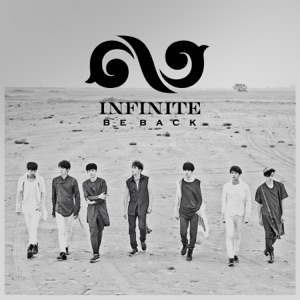
Song preview
Listen on


Quick Meaning
'Back' captures a desperate plea for a lost connection, where the singer yearns for memories to be preserved. The emotional weight of longing permeates the track, underscored by its K-Pop sensibility.
- nostalgia
- longing
- heartbreak
- melancholic yet hopeful
Metadata
- Year
- 2014
- Album
- Be Back
- Genre
- K-Pop
- Unique visits
- 15
- Generated at
- Jul 23, 2026
- Updated at
- Jul 23, 2026
Meaning
Main Meaning
itsMong interpretation
In 'Back', the singer grapples with the haunting remnants of a past relationship, pleading for the memories to be etched in time. Lines like 'Can you save me?'
echo a vulnerability that reveals a deep need for connection, while the repetition of 'I want you back' underscores the emotional turmoil of wanting to reclaim what has been lost. The imagery of memories being locked away in drawers or wallets reflects a desire to hold onto fleeting moments, suggesting that the past is both cherished and painful.
This track resonates with listeners familiar with the bittersweet nature of nostalgia, making it a poignant addition to Infinite's discography.
Title Analysis
The title 'Back' implies a yearning for return, encapsulating the essence of nostalgia and the desire to revisit lost moments.
It evokes a sense of longing that aligns with the song's themes of memory and emotional attachment.
Deeper Insight
The contrast between the vivid memories and the painful reality of their absence reveals a complex emotional landscape.
The singer's insistence on preserving memories speaks to a universal struggle with loss—where holding onto the past can simultaneously bring comfort and sorrow.
This duality makes the song relatable, as it reflects the tension between cherishing what once was and the inevitable passage of time.
Emotional Impact
Listeners may find themselves reflecting on their own experiences of longing and nostalgia, resonating deeply with the song's themes.
Song Takeaway
The song reminds us that memories hold immense power, shaping our identities and connections.
It suggests that while we may yearn for the past, it's essential to acknowledge the beauty in those moments without letting them fade away.
Key Lines
"기억해줘 네 서랍속에"
This line, asking to be remembered in a drawer, symbolizes the desire to be preserved among cherished belongings, highlighting the fragility of memories.
"내가 있던 흔적들을"
The plea for traces of oneself to remain emphasizes the fear of being forgotten, reinforcing the emotional stakes of the singer's longing.
"제발, 날 지나쳐 운 봄날처럼"
Comparing the experience to a spring day that passes by evokes a sense of beauty intertwined with loss, illustrating how quickly moments can slip away.
"돌아와줘"
This direct request to return encapsulates the core emotional conflict of the song, expressing a deep yearning for reconnection.
"시간에 맡기지 마"
The insistence on not leaving memories to time speaks to a desire for active preservation of love and connection, resisting the inevitability of forgetting.
"기다릴게 나 여기 남겨진 채"
The promise to wait while remaining in a state of longing reflects a powerful emotional commitment, underscoring the depth of the singer's feelings.
"하나도 지우지는 마"
This line's insistence on not erasing anything highlights the struggle against loss and the desire to hold onto every fragment of the past.
"수많은 날들 말고"
The distinction between countless days and the specific memories sought indicates a longing for meaningful moments over the mundane passage of time.
"Can you save me?"
This repeated plea serves as the emotional anchor of the song, encapsulating the singer's vulnerability and desperation for emotional rescue.
"기억들을 하나둘씩 되돌려"
The desire to have memories returned one by one suggests a painstaking process of recollection, emphasizing the weight of nostalgia.
Explore a question
What does the title add?
The title 'Back' implies a yearning for return, encapsulating the essence of nostalgia and the desire to revisit lost moments. It evokes a sense of longing that aligns with the song's themes of memory and emotional attachment.
What does this key detail suggest?
기억해줘 네 서랍속에
This line, asking to be remembered in a drawer, symbolizes the desire to be preserved among cherished belongings, highlighting the fragility of memories.
What deeper tension appears?
The contrast between the vivid memories and the painful reality of their absence reveals a complex emotional landscape. The singer's insistence on preserving memories speaks to a universal struggle with loss—where holding onto the past can simultaneously bring comfort and sorrow. This duality makes the song relatable, as it reflects the tension between cherishing what once was and the inevitable passage of time.
Song insights
Emotion Profile
A reading of the song's emotional signals, derived from its saved interpretation.
Emotional intensityHigh
The repeated pleas and vivid imagery create a strong emotional resonance.
VulnerabilityVery high
The singer exposes deep feelings of longing and fear of being forgotten.
PrideLow
There is a sense of humility in asking for memories to be preserved.
Emotional dependencyHigh
The desire for reconnection indicates a reliance on the past for emotional fulfillment.
Levels describe how strongly a signal appears in this reading of the song; they do not measure the listener.
Mong DNA
Recurring themes and motifs identified in the saved interpretation.
Themes
Archetypes
Meaning worlds
Loading...
Loading...
Comments & reviews
What moved you? Share your take on the lyrics, the sound or a moment this song reminds you of.
Sign in to comment.
Start the conversation. What would you tell someone hearing this song for the first time?
Rate this song
Lyrics
Optional — choose one to five stars.
Instrumental
Optional — choose one to five stars.
Emotional impact
Optional — choose one to five stars.
Overall
Optional — choose one to five stars.
Community rating