Loading song
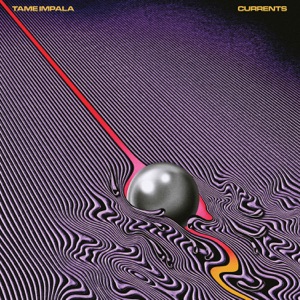
Song preview
Listen on


Quick Meaning
Tame Impala's "New Person, Same Old Mistakes" explores the tension between personal transformation and the inevitability of repeating past errors. The song reflects a struggle with self-identity and the weight of expectations from others.
- reflective
- introspective
- melancholic
- dreamy
Metadata
- Year
- 2015
- Album
- Currents
- Genre
- Alternative
- Unique visits
- 6
- Generated at
- May 05, 2026
- Updated at
- Nov 24, 2026
Meaning
Main Meaning
itsMong interpretation
The lyrics convey a struggle between the desire for change and the fear of repeating past mistakes.
Phrases like "Feel like a brand new person (but you'll make the same old mistakes)" highlight this internal conflict, suggesting that despite a fresh perspective, the weight of previous experiences looms large.
The line "Stop before it's too late" reflects a sense of urgency and awareness of the stakes involved in personal choices.
Title Analysis
The title 'New Person, Same Old Mistakes' juxtaposes the idea of personal reinvention with the reality of recurring flaws.
This duality is encapsulated in the lyric "Feel like a brand new person (but you'll make the same old mistakes)" which underscores the tension between aspiration and reality.
Deeper Insight
The song's exploration of identity and transformation reveals a duality that many listeners can relate to.
The tension between wanting to evolve and the fear of repeating past mistakes creates a rich emotional landscape, inviting reflection on personal growth.
Emotional Impact
Listeners may resonate with the song's exploration of identity, feeling both empowered and anxious about their own transformations.
Song Takeaway
The song encourages listeners to embrace their complexities and recognize that growth often comes with the risk of repeating past mistakes.
Key Lines
"Feel like a brand new person (but you'll make the same old mistakes)"
This line captures the essence of the song's conflict, where the desire for change is tempered by the acknowledgment of past errors.
"Stop before it's too late, I know there's too much at stake"
This phrase conveys a sense of urgency and the awareness of potential consequences stemming from repeated mistakes.
"I know that you think it's fake"
This line reflects the skepticism others may have about the authenticity of one's transformation.
"The point is, I have the right"
Here, the assertion of personal agency suggests a struggle for self-acceptance amidst external judgment.
"Two sides of me can't agree"
This line illustrates the internal conflict between different aspects of identity, highlighting the complexity of self-perception.
"And I know it seems wrong to accept"
This line acknowledges the difficulty of accepting one's flaws, suggesting a deeper emotional struggle.
"But you've got your demons, and she's got her regrets"
This lyric emphasizes shared human experiences of imperfection and regret, fostering a sense of empathy.
"So how will I know I've gone too far?"
This question reflects uncertainty about the boundaries of personal change and the fear of losing oneself.
"In a new direction, so how will I know that it's right?"
This line captures the anxiety of navigating change and the quest for validation in one's choices.
"A realization is as good as a guess"
This phrase suggests a sense of ambiguity in understanding oneself, emphasizing the complexity of self-discovery.
Explore a question
What does the title add?
The title 'New Person, Same Old Mistakes' juxtaposes the idea of personal reinvention with the reality of recurring flaws. This duality is encapsulated in the lyric "Feel like a brand new person (but you'll make the same old mistakes)" which underscores the tension between aspiration and reality.
What does this key detail suggest?
Feel like a brand new person (but you'll make the same old mistakes)
This line captures the essence of the song's conflict, where the desire for change is tempered by the acknowledgment of past errors.
What deeper tension appears?
The song's exploration of identity and transformation reveals a duality that many listeners can relate to. The tension between wanting to evolve and the fear of repeating past mistakes creates a rich emotional landscape, inviting reflection on personal growth.
Public Perception
The song has been well-received for its relatable themes and innovative sound.
Song insights
Emotion Profile
A reading of the song's emotional signals, derived from its saved interpretation.
Emotional intensityHigh
Strong feelings of conflict and desire for change.
VulnerabilityHigh
Acknowledgment of past mistakes and fears.
PrideModerate
Assertion of personal agency amidst doubt.
Emotional dependencyModerate
Concern about external perceptions and validation.
Levels describe how strongly a signal appears in this reading of the song; they do not measure the listener.
ReflectiveIntrospectiveMelancholicDreamy
Mong DNA
Recurring themes and motifs identified in the saved interpretation.
What is Mong DNA?Loading...
Loading...
Comments & reviews
What moved you? Share your take on the lyrics, the sound or a moment this song reminds you of.
Sign in to comment.
Start the conversation. What would you tell someone hearing this song for the first time?
Rate this song
Lyrics
Optional — choose one to five stars.
Instrumental
Optional — choose one to five stars.
Emotional impact
Optional — choose one to five stars.
Overall
Optional — choose one to five stars.
Community rating