Loading song
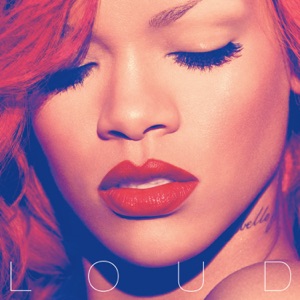
Song preview
Listen on


Quick Meaning
In 'Love the Way You Lie, Pt. II', a tumultuous relationship unfolds, marked by emotional turmoil and dependency. The protagonists grapple with the pain of love intertwined with abuse, revealing a complex dynamic.
Metadata
- Year
- 2010
- Album
- Loud (Deluxe)
- Genre
- Pop
- Unique visits
- 41
- Generated at
- Sep 24, 2026
- Updated at
- Sep 24, 2026
Meaning
Main Meaning
itsMong interpretation
The lyrics depict a relationship where love is marred by violence and emotional manipulation.
The line about standing and watching the other burn illustrates a painful acceptance of suffering, while the admission of masochism reveals an internal conflict where pleasure is found in pain.
This duality emphasizes the toxic cycle of love and abuse, where both partners are trapped in a destructive bond.
Title Analysis
'Love the Way You Lie, Pt.
II' suggests a continuation of the narrative from the first part, exploring the pain and confusion in an abusive relationship.
The word 'lie' indicates the distortion of truth within love, highlighting betrayal amidst suffering.
Deeper Insight
The song presents a disturbing contrast between love and abuse, where emotional dependency becomes a prison.
The acceptance of their shared madness reveals how love can morph into something destructive, adding authenticity to the narrative.
Emotional Impact
The song provokes deep reflection on the nature of love and pain in abusive relationships, resonating with those who have faced similar experiences.
Song Takeaway
Sometimes, love can mask pain, and it's easy to get lost in the confusion of a toxic relationship.
The song reminds us that suffering isn't always visible and that emotional dependency can lead to destructive choices.
Key Lines
"Just gonna stand there and watch me burn"
This line reflects the abuser's passivity, while the victim feels trapped in pain, suggesting a heartbreaking acceptance of suffering.
"So maybe I'm a masochist"
Here, the singer confronts her complicity in the relationship, revealing the complex mix of love and pain that leads her to question her emotional well-being.
"In this tug of war, you'll always win"
The power struggle is evident; despite her efforts, she feels defeated, highlighting the abusive dynamic in the relationship.
"Cause you feed me fables from your hand"
This suggests that the abuser manipulates reality, feeding the victim lies that keep her trapped in the cycle of abuse.
"It's mornin', you wake, a sun ray hits your face"
This imagery contrasts the aftermath of violence with a new day, symbolizing the cyclical nature of their relationship.
"But together, we'll live forever, we found the youth fountain"
This line reflects a delusional sense of eternal love despite the chaos, indicating a refusal to acknowledge the relationship's toxicity.
"You hit me twice, yeah, but who's countin'?"
This casual acknowledgment of violence underscores the normalization of abuse within their relationship.
"Just gonna stand there and hear me cry"
This line emphasizes the emotional neglect, as the abuser remains indifferent to the victim's pain, reinforcing the cycle of suffering.
"Baby, without you, I'm nothing, I'm so lost, hug me"
This line illustrates extreme emotional dependency, where the victim equates her identity with the abuser, highlighting the destructive attachment.
"Our love is crazy, we're nuts, but I refuse counselling"
This admission reflects a defiant acceptance of their dysfunctional relationship, indicating a reluctance to seek help despite the evident issues.
Explore a question
What does the title add?
'Love the Way You Lie, Pt. II' suggests a continuation of the narrative from the first part, exploring the pain and confusion in an abusive relationship. The word 'lie' indicates the distortion of truth within love, highlighting betrayal amidst suffering.
What does this key detail suggest?
Just gonna stand there and watch me burn
This line reflects the abuser's passivity, while the victim feels trapped in pain, suggesting a heartbreaking acceptance of suffering.
What deeper tension appears?
The song presents a disturbing contrast between love and abuse, where emotional dependency becomes a prison. The acceptance of their shared madness reveals how love can morph into something destructive, adding authenticity to the narrative.
Song insights
Emotion Profile
A reading of the song's emotional signals, derived from its saved interpretation.
Emotional intensityVery high
The emotional intensity is high due to the raw representation of pain and struggle in a toxic relationship, evidenced in the lyrics about suffering and destruction.
VulnerabilityHigh
Vulnerability is reflected in the acceptance of pain and dependency, as shown in the line 'Maybe I'm a masochist', revealing a deep internal struggle.
PrideLow
Pride is low, as the lyrics depict submission to the destructive relationship, where love is confused with suffering and humiliation.
Emotional dependencyVery high
Emotional dependency is at its peak, evidenced by the line 'without you, I'm nothing', illustrating extreme attachment and an inability to leave the relationship.
Levels describe how strongly a signal appears in this reading of the song; they do not measure the listener.
Mong DNA
Recurring themes and motifs identified in the saved interpretation.
Archetypes
Meaning worlds
Loading...
Loading...
Explore more music
Rihanna · Artist profile and albums
Comments & reviews
What moved you? Share your take on the lyrics, the sound or a moment this song reminds you of.
Sign in to comment.
Start the conversation. What would you tell someone hearing this song for the first time?
Rate this song
Lyrics
Optional — choose one to five stars.
Instrumental
Optional — choose one to five stars.
Emotional impact
Optional — choose one to five stars.
Overall
Optional — choose one to five stars.
Community rating