Loading song
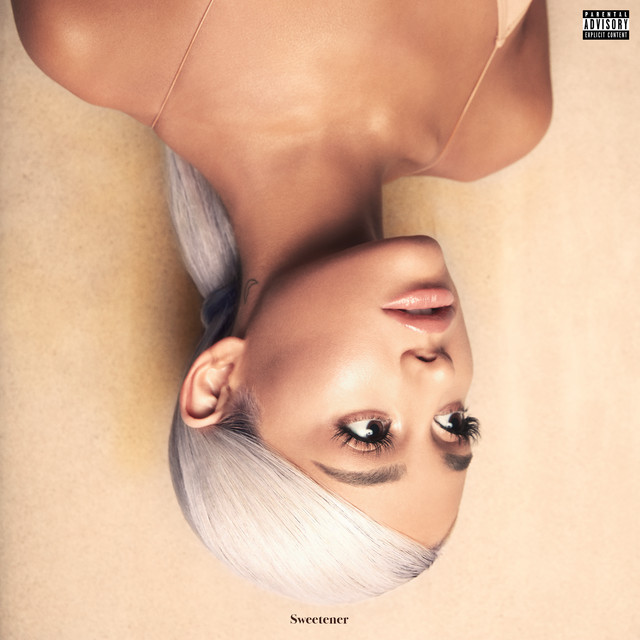
Song preview
Listen on


Quick Meaning
'the light is coming (feat. Nicki Minaj)' expresses a fierce reclaiming of power after betrayal. The song's energetic beat and assertive lyrics create an uplifting atmosphere, emphasizing resilience and self-empowerment.
- empowerment
- resilience
- betrayal
- defiance
Metadata
- Year
- 2018
- Album
- Sweetener
- Genre
- Pop
- Unique visits
- 10
- Generated at
- Jun 11, 2026
- Updated at
- Jul 13, 2026
Meaning
Main Meaning
itsMong interpretation
The song captures a moment of defiance, where the narrator confronts a past betrayal, signaling a shift from victimhood to empowerment. Lines like 'Now I'm the bad guy, call me Chun-Li' reflect a playful yet sharp reclaiming of identity, suggesting that the narrator is owning their narrative despite being labeled negatively.
The repeated refrain 'The light is coming to give back everything the darkness stole' serves as a powerful mantra of hope and recovery, emphasizing that even after darkness, there is a promise of light and renewal.
This blend of assertiveness and vulnerability creates a rich emotional landscape, where the artist navigates complex feelings of hurt and strength.
Title Analysis
The title 'the light is coming' suggests an impending change or revelation, symbolizing hope and recovery from past struggles.
It conveys a sense of optimism that resonates throughout the song, reinforcing the theme of overcoming adversity.
Deeper Insight
Beneath the surface of empowerment lies a complex emotional struggle with betrayal and self-identity.
The contrast between the desire for connection and the weight of past hurts reveals a deeper narrative of resilience, where the light symbolizes not just hope but also the hard-earned wisdom gained through hardship.
Emotional Impact
Listeners may feel a surge of empowerment and motivation, resonating with the themes of reclaiming one's narrative.
Song Takeaway
The journey from betrayal to empowerment illustrates the importance of reclaiming your narrative.
It suggests that even in darkness, there is potential for renewal and growth, encouraging listeners to embrace their strength.
Key Lines
"Ayo, trophy wife, out, you won me"
This line sets the stage for a power dynamic, hinting at a relationship where the narrator feels objectified yet empowered.
"Now I'm the bad guy, call me Chun-Li"
Referencing Chun-Li, a strong female character, highlights the narrator's embrace of their newfound strength despite being cast as the antagonist.
"The light is coming to give back everything the darkness stole"
This refrain emphasizes the theme of reclamation, suggesting that hope and positivity can restore what was lost.
"You don't listen ' cause you know everything"
This line critiques a dismissive partner, showcasing frustration with someone who is closed off to understanding.
"Give you a box of chances, every time you blow it all"
This reflects the narrator's repeated attempts to salvage the relationship, highlighting a cycle of hope and disappointment.
"It's like you're trying not to glow at all"
Here, the narrator acknowledges the other person's self-sabotage, contrasting their own desire for brightness and authenticity.
"You don't wait, tell ' em wait another round"
This line captures a sense of impatience and urgency, suggesting that the narrator is ready to move on and not wait for someone else's approval.
"They are so confused, who cares about their rationale?"
This reflects a defiance against external judgments, emphasizing the importance of personal experience over others' opinions.
"As if it were shade, you would just throw it all"
This line highlights the passive-aggressive nature of the relationship, illustrating how negativity can be easily dismissed.
"You wouldn't let anybody speak and instead-"
The repetition of this line underscores the theme of silencing and control, marking a pivotal moment of realization for the narrator.
Explore a question
What does the title add?
The title 'the light is coming' suggests an impending change or revelation, symbolizing hope and recovery from past struggles. It conveys a sense of optimism that resonates throughout the song, reinforcing the theme of overcoming adversity.
What does this key detail suggest?
Ayo, trophy wife, out, you won me
This line sets the stage for a power dynamic, hinting at a relationship where the narrator feels objectified yet empowered.
What deeper tension appears?
Beneath the surface of empowerment lies a complex emotional struggle with betrayal and self-identity. The contrast between the desire for connection and the weight of past hurts reveals a deeper narrative of resilience, where the light symbolizes not just hope but also the hard-earned wisdom gained through hardship.
Public Perception
Listeners often view this track as an anthem of empowerment and resilience, resonating with those overcoming personal challenges.
Song insights
Emotion Profile
A reading of the song's emotional signals, derived from its saved interpretation.
Emotional intensityHigh
The song captures intense feelings of betrayal and empowerment.
VulnerabilityModerate
There are moments of reflection on personal pain and growth.
PrideHigh
The narrator expresses pride in reclaiming their narrative.
Emotional dependencyModerate
Despite independence, there's a lingering connection to past relationships.
Levels describe how strongly a signal appears in this reading of the song; they do not measure the listener.
Mong DNA
Recurring themes and motifs identified in the saved interpretation.
What is Mong DNA?
Loading...
Loading...
Explore more music
Ariana Grande · Artist profile and albums
Comments & reviews
What moved you? Share your take on the lyrics, the sound or a moment this song reminds you of.
Sign in to comment.
Start the conversation. What would you tell someone hearing this song for the first time?
Rate this song
Lyrics
Optional — choose one to five stars.
Instrumental
Optional — choose one to five stars.
Emotional impact
Optional — choose one to five stars.
Overall
Optional — choose one to five stars.
Community rating