Loading song
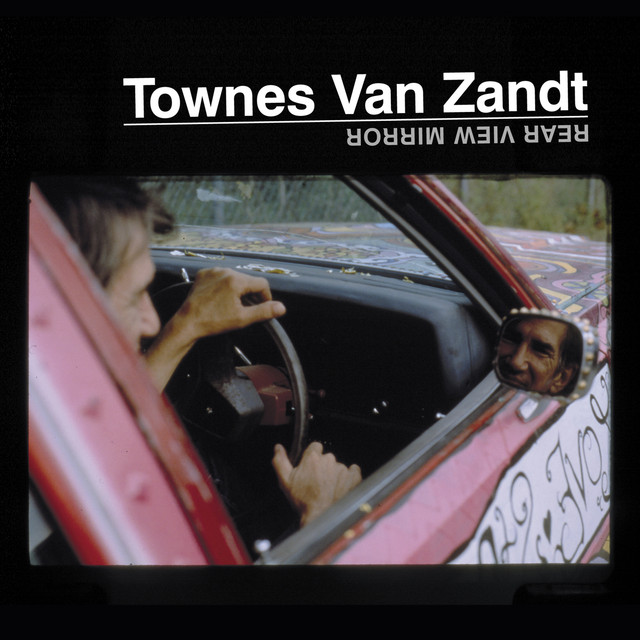
Song preview
Listen on


Quick Meaning
In 'Pancho and Lefty,' Townes Van Zandt tells the poignant story of two characters, Pancho, a bandit, and Lefty, his friend, exploring themes of loyalty, loss, and the harsh realities of life on the run. The song captures the bittersweet essence of their relationship and the consequences of their choices.
- melancholic
- nostalgic
- reflective
- bittersweet
Song video
Open in YouTubeWatch while you read. Opening the player connects to YouTube; Google's privacy policy applies.
Metadata
- Year
- 1977
- Album
- Be Here to Love Me
- Genre
- Country
- Unique visits
- 74
- Generated at
- May 05, 2026
- Updated at
- Oct 17, 2026
Meaning
Main Meaning
itsMong interpretation
The song opens with a reflection on the freedom and burdens of life on the road, as expressed in the line, 'Living on the road my friend / Is gonna keep you free and clean.'
This sets the stage for the contrasting fates of Pancho and Lefty, where Pancho's outlaw life leads to his demise, while Lefty, who escapes, is left to grapple with the consequences of their choices.
The repeated mention of the federales suggests a looming authority that could have intervened but chose not to, highlighting themes of fate and kindness intertwined with betrayal.
Title Analysis
The title 'Pancho and Lefty' directly names the two central characters, establishing their relationship as the focal point of the song.
The phrase 'Pancho was a bandit, boys' introduces the narrative of adventure and danger, while the contrasting fate of Lefty underscores themes of survival and regret, as seen in the line, 'Lefty, he can't sing the blues / All night long like he used to.'
Deeper Insight
The song presents a duality in the characters of Pancho and Lefty, where Pancho's outlaw life leads to his tragic end, while Lefty's survival is marked by regret and loneliness.
This contrast invites listeners to reflect on the complexities of friendship and the burdens of choices made in life.
Emotional Impact
Listeners may feel a deep sense of nostalgia and melancholy as they reflect on the themes of loss and the passage of time, resonating with the struggles of the characters.
Song Takeaway
The song serves as a reminder of the complexities of friendship and the consequences of our choices, urging listeners to consider the paths they take.
Key Lines
"Living on the road my friend"
This line introduces the theme of freedom associated with a nomadic lifestyle, setting the tone for the song.
"Pancho was a bandit, boys"
This line establishes Pancho's identity and foreshadows the dangers he faces, framing him as a romanticized outlaw.
"Nobody heard his dying words"
This line emphasizes the isolation of Pancho's fate, suggesting a tragic end that goes unnoticed.
"Lefty split for Ohio"
Lefty's departure signifies his escape from the consequences of their shared life, highlighting themes of survival.
"The dust that Pancho bit down south Ended up in lefty's mouth"
This metaphor connects the two characters, suggesting that Lefty carries the burden of Pancho's choices.
"A few great federales say"
The federales represent authority and the inevitability of fate, suggesting that intervention was possible but not taken.
"Save a few for Lefty too"
This line calls for empathy towards Lefty, indicating that he too suffers from the consequences of their actions.
"He just did what he had to do"
This line reflects Lefty's justification for his actions, suggesting a moral complexity in his choices.
"An all the federales say They could have had him any day"
This repetition underscores the theme of missed opportunities and the randomness of fate.
"And now he's growing old"
This line reflects the passage of time and the lingering effects of their past decisions on Lefty's life.
Explore a question
What does the title add?
The title 'Pancho and Lefty' directly names the two central characters, establishing their relationship as the focal point of the song. The phrase 'Pancho was a bandit, boys' introduces the narrative of adventure and danger, while the contrasting fate of Lefty underscores themes of survival and regret, as seen in the line, 'Lefty, he can't sing the blues / All night long like he used to.'
What does this key detail suggest?
Living on the road my friend
This line introduces the theme of freedom associated with a nomadic lifestyle, setting the tone for the song.
What deeper tension appears?
The song presents a duality in the characters of Pancho and Lefty, where Pancho's outlaw life leads to his tragic end, while Lefty's survival is marked by regret and loneliness. This contrast invites listeners to reflect on the complexities of friendship and the burdens of choices made in life.
Public Perception
The song is widely regarded as one of Van Zandt's masterpieces, celebrated for its lyrical depth and emotional resonance.
Song insights
Emotion Profile
A reading of the song's emotional signals, derived from its saved interpretation.
Emotional intensityHigh
The narrative evokes strong feelings of loss and longing.
VulnerabilityHigh
Lefty's regret and isolation reveal deep emotional exposure.
PrideModerate
Lefty's survival comes with a sense of shame rather than pride.
Emotional dependencyModerate
Lefty's reliance on memories of Pancho highlights his emotional struggle.
Levels describe how strongly a signal appears in this reading of the song; they do not measure the listener.
Mong DNA
Recurring themes and motifs identified in the saved interpretation.
Themes
Meaning worlds
Loading...
Loading...
Comments & reviews
What moved you? Share your take on the lyrics, the sound or a moment this song reminds you of.
Sign in to comment.
Start the conversation. What would you tell someone hearing this song for the first time?
Rate this song
Lyrics
Optional — choose one to five stars.
Instrumental
Optional — choose one to five stars.
Emotional impact
Optional — choose one to five stars.
Overall
Optional — choose one to five stars.
Community rating